Mark Carney's New Federal Budget Promises Billions in Investment as Canada Seeks Greater Economic Independence
November 6, 2026
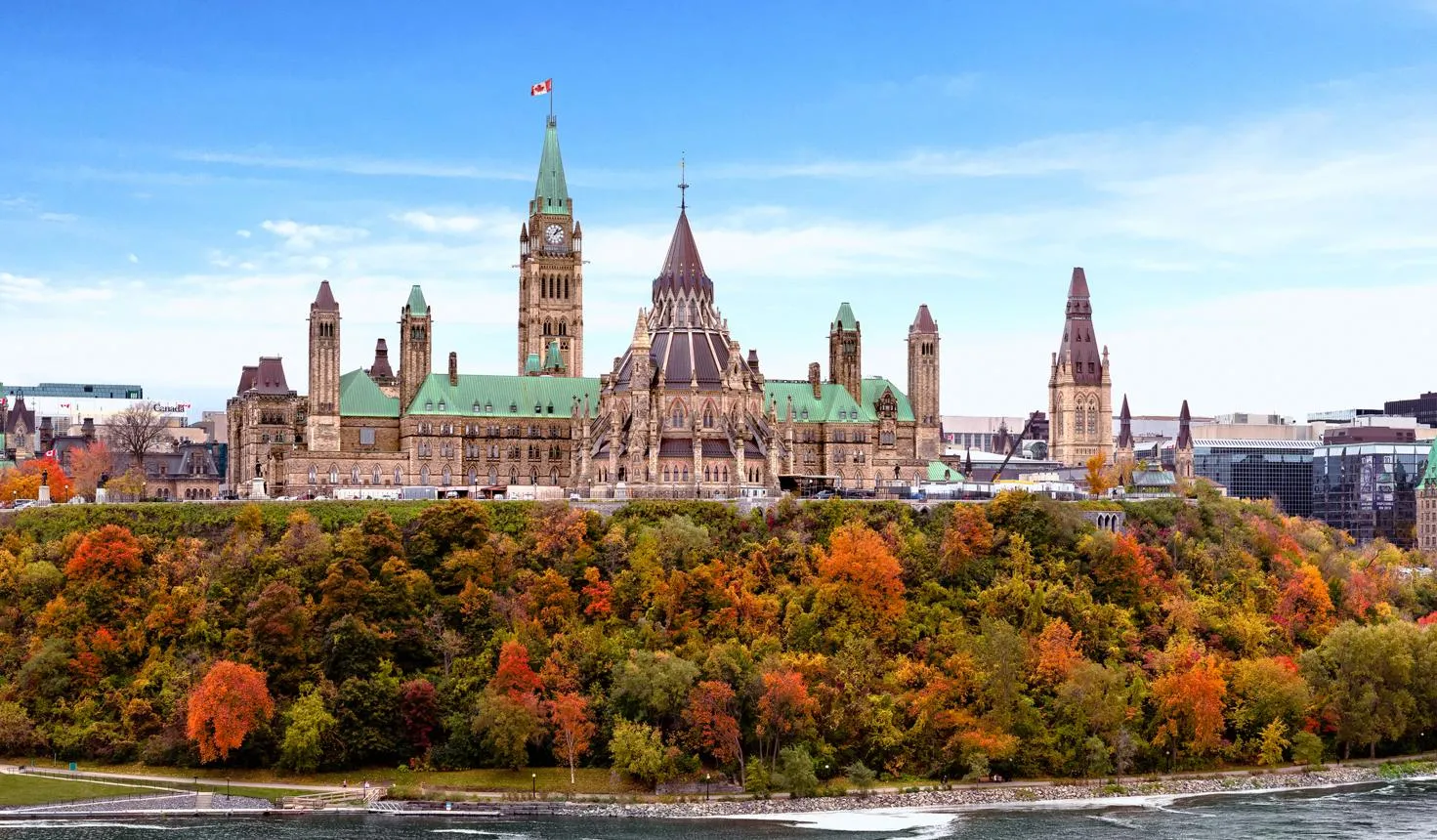
Canadian Prime Minister Mark Carney has introduced a major federal budget aimed at strengthening the country's economy, attracting investment and reducing its dependence on the United States.
The budget, titled Masters of Our Destiny, proposes C$142.1 billion in spending and investment measures over five years.
The announcement comes as trade tensions with the United States continue to influence Canada's economic strategy.
A major investment plan
The government's budget focuses on infrastructure, business investment, innovation, housing and national defence.
One of its central goals is to encourage private companies to invest more in Canadian industries and create new economic opportunities.
The plan also includes a proposed sovereign wealth fund intended to support long-term investment in the country.
Carney's government wants Canada to strengthen its economic position by expanding trade relationships beyond its traditional dependence on the American market.
Housing and affordability remain major issues
The budget also includes significant housing measures.
The government has proposed billions of dollars for social housing and initiatives designed to increase the availability of homes.
A further C$17.8 billion over ten years has been proposed to support efforts to address homelessness, alongside other housing and infrastructure programmes.
These measures come as housing affordability remains a major concern for Canadians in many cities.
Opposition parties question the government's priorities
Although the government presents the budget as an investment plan for Canada's future, opposition politicians have questioned whether it does enough to address immediate financial pressures.
Concerns have been raised about the projected deficit, government spending and whether the proposed measures will deliver enough benefits for ordinary households.
The budget projects a C$62.3 billion deficit for the current fiscal year.
The government expects economic growth to slow to around 1% in 2026 before improving in 2027.
A new direction for Canada's international relationships
Carney has argued that Canada must strengthen its position in international markets rather than depend too heavily on one trading partner.
The government is seeking to expand exports, increase domestic production and build stronger economic relationships with Europe and Asia.
This strategy could become particularly important as businesses adapt to changing trade conditions and geopolitical uncertainty.
The political test ahead
The success of the budget will depend on whether its investment promises translate into jobs, stronger industries and improved living conditions.
For Carney, the challenge is to convince Canadians that long-term economic independence can also deliver practical benefits today.
The coming months will show whether the government's spending strategy can gain public confidence while addressing concerns about debt, affordability and economic growth.