Democrats Capture Control of Congress
Democrats Capture Control of Congress as Voters Deliver a Major Electoral Setback to Republicans Nationwide
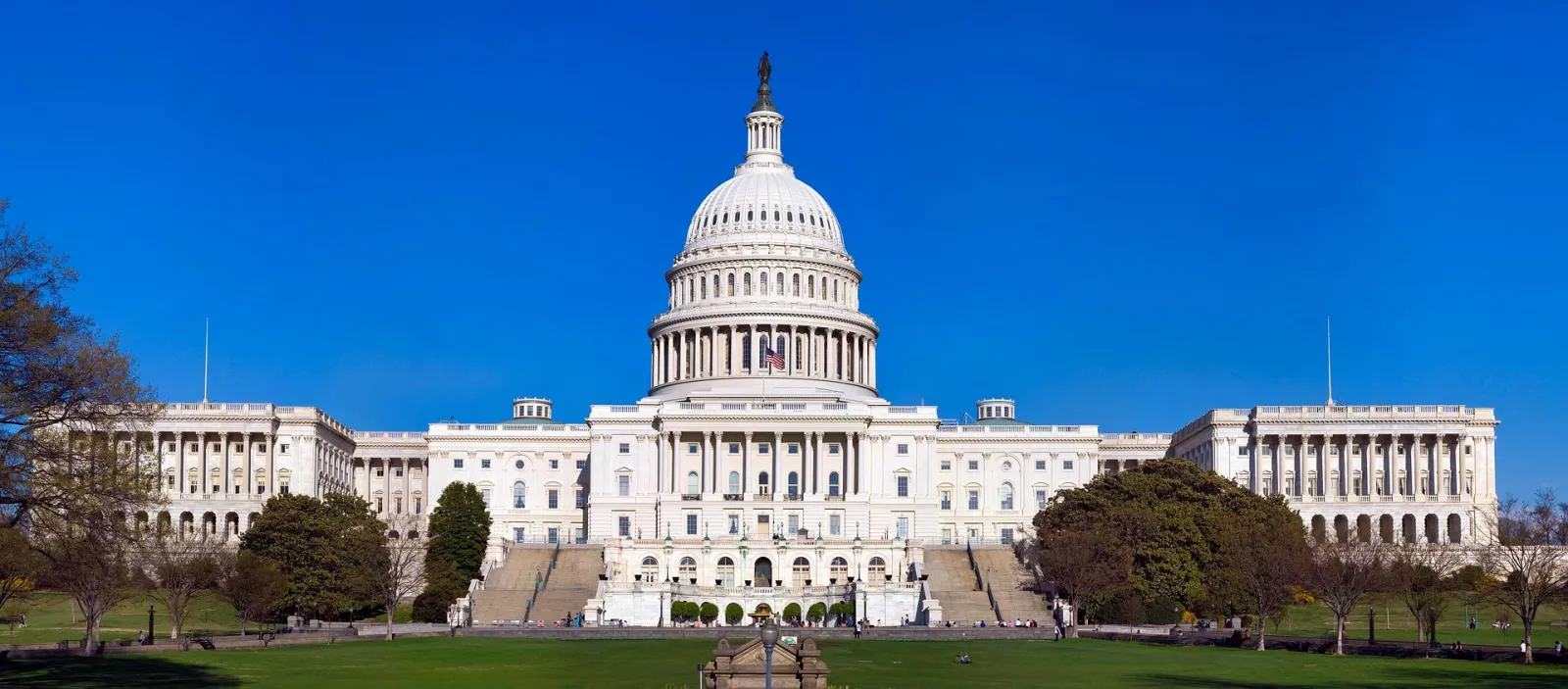
The Democratic Party has secured a series of major victories in the 2026 United States midterm elections, taking control of both the House of Representatives and the Senate in a result that could significantly reshape American politics for the remainder of President Donald Trump's second term.
The November 3 elections produced widespread Democratic gains, with victories extending far beyond traditionally Democratic states. Several Republican strongholds shifted political direction, while Democratic candidates defeated established Republican figures in races that attracted national attention.
According to election results reported by Reuters and Associated Press, Democrats also made substantial gains in state-level elections, strengthening their position across several parts of the country.
A Nationwide Shift in Voter Support
One of the most notable aspects of the election was the geographical scale of Democratic victories.
States including Texas, Kansas, Iowa and South Carolina saw significant Democratic breakthroughs. These results challenged assumptions about traditionally Republican voting territories and demonstrated how economic concerns and political dissatisfaction can influence electoral outcomes.
The cost of living emerged as a particularly important issue throughout the campaigns. Inflation, household expenses, employment concerns and the economic consequences of government policies featured prominently in discussions among voters.
Democrats also highlighted concerns surrounding government accountability and the administration's approach to international affairs.
Historic Victories Across Multiple States
The elections produced several historic political milestones.
In Georgia, Democrat Keisha Lance Bottoms became the first Black woman elected governor of a US state. Texas also elected Gina Hinojosa as its first Latina governor.
In the Senate, Democrats secured victories in states where Republican candidates had previously enjoyed considerable electoral support.
These developments illustrate the changing political landscape and the increasing competitiveness of elections across different regions of the United States.
What Happens Now in Washington?
The Democratic victories will have immediate consequences for the federal government.
With control of both congressional chambers, Democrats will gain greater influence over legislation, federal spending discussions, congressional investigations and the confirmation process for presidential nominees.
The result also means President Trump will face a Congress controlled by the opposing party for the final two years of his current term.
Republicans will retain the presidency, but the balance of political power in Washington has changed considerably.
The new Democratic majorities are expected to scrutinize administration policies more closely, particularly regarding economic decisions, international relations and government accountability.
Looking Ahead to 2028
Although the 2026 results represent a major electoral success for Democrats, the party now faces the challenge of translating its victories into concrete political achievements.
The next two years will test whether Democratic lawmakers can maintain unity across moderate and progressive factions while delivering on the issues that motivated voters.
Republicans, meanwhile, will have to reassess their electoral strategy and determine how to regain support in states and districts that shifted toward Democrats.
With the 2028 presidential election approaching, the midterm results could influence candidate selection, campaign priorities and the broader direction of both political parties.
For now, one thing is clear: the 2026 midterm elections have significantly changed the balance of power in American politics, setting the stage for a more contested final chapter of Trump's second presidency.