Why Public Trust Is Becoming One of the Most Valuable Assets in Politics
October 30, 2026 | Politics
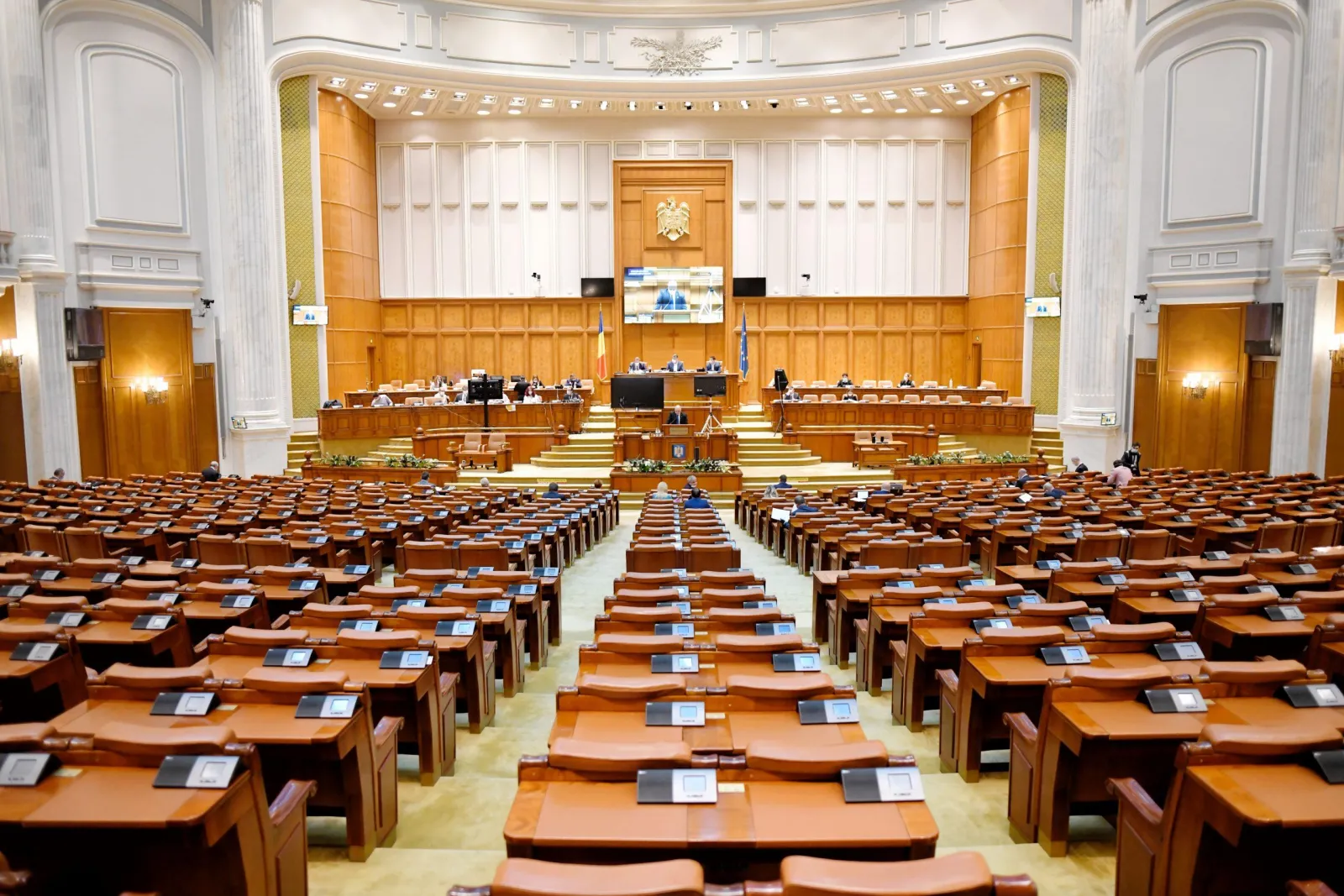
Political power is often measured through election results, parliamentary seats and government decisions. Yet behind these visible indicators is something less tangible that can influence the stability of an entire political system: public trust.
People may disagree about taxes, immigration, education and economic policy, but confidence in public institutions helps societies manage those disagreements through established democratic processes.
When trust weakens, even ordinary political decisions can become sources of conflict.
Why Citizens Lose Confidence
Public trust is influenced by more than political speeches and election campaigns.
People judge governments through their everyday experiences. They notice whether public services work, whether institutions respond to complaints and whether political promises lead to practical improvements.
When citizens repeatedly encounter delays, corruption concerns, poor services or a lack of transparency, frustration can develop.
The gap between political promises and everyday reality can become especially damaging when people feel that their concerns are being ignored.
Social Media Has Changed Political Communication
Political communication has become faster and more direct through social media.
Politicians can reach audiences without relying entirely on traditional media organizations. Citizens can also discuss public issues, organize campaigns and challenge official statements.
However, the same environment can make misleading information spread quickly.
Emotional messages often attract more attention than detailed explanations. This can encourage political discussions to become focused on confrontation instead of examining policies and evidence.
Strong Institutions Matter More Than Individual Promises
A healthy political system cannot depend entirely on the popularity of one leader.
Independent courts, accountable public agencies, transparent decision-making and a free press help ensure that institutions continue functioning even when governments change.
These safeguards also give citizens ways to question decisions and seek accountability.
Institutions become stronger when rules apply consistently and public officials can explain how decisions are made.
Young People and the Future of Political Participation
Young citizens are important to the future of democratic participation.
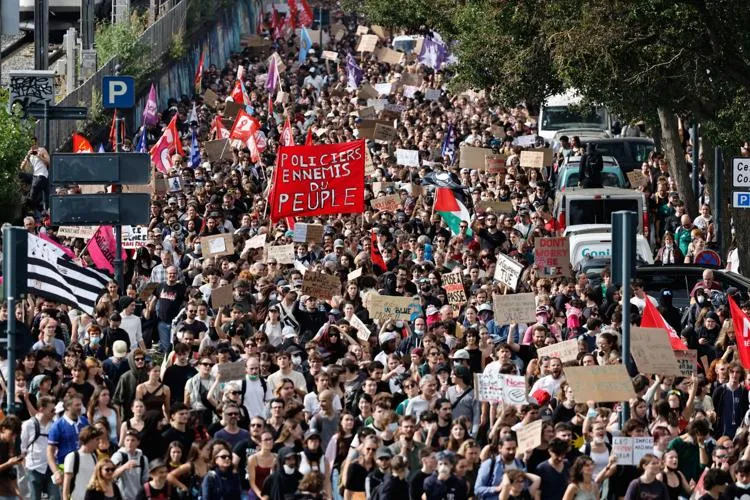
Their concerns may include employment, housing affordability, education, climate policy and access to opportunities. When they believe political institutions are not responding to these issues, they may become less interested in participating.
Creating meaningful opportunities for public discussion and civic involvement can help connect younger generations with decision-making processes.
Participation does not have to begin with holding political office. It can include community projects, public consultations, volunteering and informed voting.
Rebuilding Trust Takes More Than Promises
Public confidence is difficult to build and easy to damage.
Governments can strengthen trust by communicating honestly, publishing understandable information, addressing failures and demonstrating that public resources are being used responsibly.
No political system will eliminate disagreement. The goal should be to create institutions that can manage disagreement fairly and transparently.
In the long run, public trust is not simply a political advantage. It is an important foundation for stable government and a functioning society.