Macron Promises Education Reforms as Student Protests Continue Across France

French President Emmanuel Macron has promised new measures to address student concerns after weeks of demonstrations, school blockades and unrest put growing pressure on the government.
The announcement, reported on October 26, 2026, comes as students demand better educational resources and improvements to learning conditions. The protests have also become part of a wider debate about living costs, public services and the government's handling of social discontent.
According to reporting by the Associated Press and Reuters, student representatives have been discussing possible reforms with the government. However, protesters have indicated that the proposals discussed so far do not fully meet their demands.
Students Demand Changes to Education
Education has become a central issue in the demonstrations, with students calling for improvements to school conditions and greater support for public education.
Among the proposals discussed are smaller classes, investment in school renovations and changes to Parcoursup, France's university admissions platform.
The government faces pressure to demonstrate that it is responding to these concerns while also managing wider economic challenges. France's high public debt and disagreements over the next national budget could make it difficult to fund new commitments.
Protests Expand Beyond Schools
What began as student demonstrations has broadened into a wider wave of public discontent. Trade unions and Yellow Vest activists have also become involved, raising concerns about household expenses, public services and government policies.
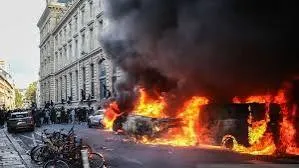
Recent demonstrations have been accompanied by clashes in several cities. Authorities have increased security measures as officials prepare for further protests in the coming days.
The unrest presents a challenge for the government, which must balance public order with citizens' right to demonstrate. Opposition groups and civil-liberties advocates have also questioned restrictions imposed on protests.
Government Faces Pressure Over Its Response
Macron's promise of concrete measures signals an attempt to address student demands, but the impact will depend on which proposals are formally adopted and how they are financed.
The government is also dealing with budget negotiations and disagreements over spending priorities. These constraints could complicate efforts to provide additional funding for schools while addressing other public demands.
Student representatives have indicated that they intend to continue pressing for further action rather than accept proposals they consider insufficient.
What Happens Next?
Further demonstrations are expected as student groups, unions and other campaigners decide whether the government's response meets their expectations.
The coming days could clarify whether negotiations lead to specific commitments or whether protests intensify. Any announced reforms will need to be assessed against their implementation details, funding and timetable.
For the French government, the challenge is not only to respond to education concerns but also to rebuild confidence amid broader frustration over economic conditions and public services.