Bulgaria Votes in Presidential Election Amid Economic and Security Concerns
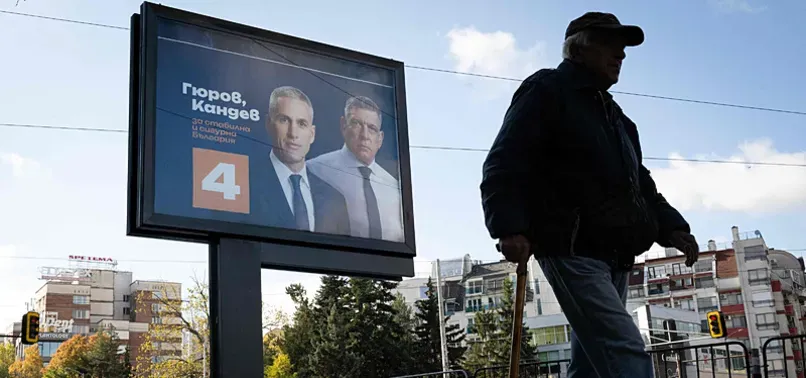
Bulgarians went to the polls on Sunday, October 25, in a presidential election shaped by rising living costs, energy prices, and security concerns linked to Russia’s war in Ukraine.
The election is drawing attention beyond Bulgaria because of its potential implications for the country’s relations with Moscow, the European Union, and NATO. The vote also comes amid concerns over regional security following reported drone attacks affecting commercial shipping in the Black Sea.
According to the Associated Press, 27 candidates are competing in the election, reflecting a wide range of political positions on Bulgaria’s future direction.
Economy and Security Dominate the Campaign
Economic pressure has become a central issue for voters, with inflation and rising energy costs affecting households and businesses. Candidates have also faced questions about how Bulgaria should respond to security risks arising from the ongoing war in neighboring Ukraine.
The country’s position within Europe has added another dimension to the campaign. Bulgaria is a member of both the European Union and NATO, while its political debate includes differing views on relations with Russia and support for Ukraine.
Incumbent President Iliana Yotova has supported diplomatic negotiations to end the war and improved relations with Moscow. Her challenger Andrey Gyurov has advocated support for Ukraine and stronger cooperation with European and NATO partners.
Election Could Require a Second Round
With numerous candidates competing, the election is not expected to produce an outright winner in the first round. A second round is scheduled for November 1 if no candidate secures the required majority.
The outcome could influence the country's political debate, particularly on foreign policy, national security, and Bulgaria’s role within European institutions.
However, the presidency operates within Bulgaria’s constitutional system, meaning the election result alone will not determine every aspect of government policy.
Attention Turns to Bulgaria’s Political Direction
The election is taking place against a wider backdrop of political uncertainty across Europe, where governments are dealing with economic pressures, security challenges, and disagreements over foreign policy.
For Bulgaria, the vote provides an opportunity for citizens to express their preferences on the country's leadership and international relationships.
The next stage will be the official counting of ballots and, if necessary, preparations for the November 1 runoff.
Source: Associated Press (AP), October 25, 2026.