America's AI Boom Is Creating a New Problem: Who Pays for the Massive Energy Demand?
November 3, 2026
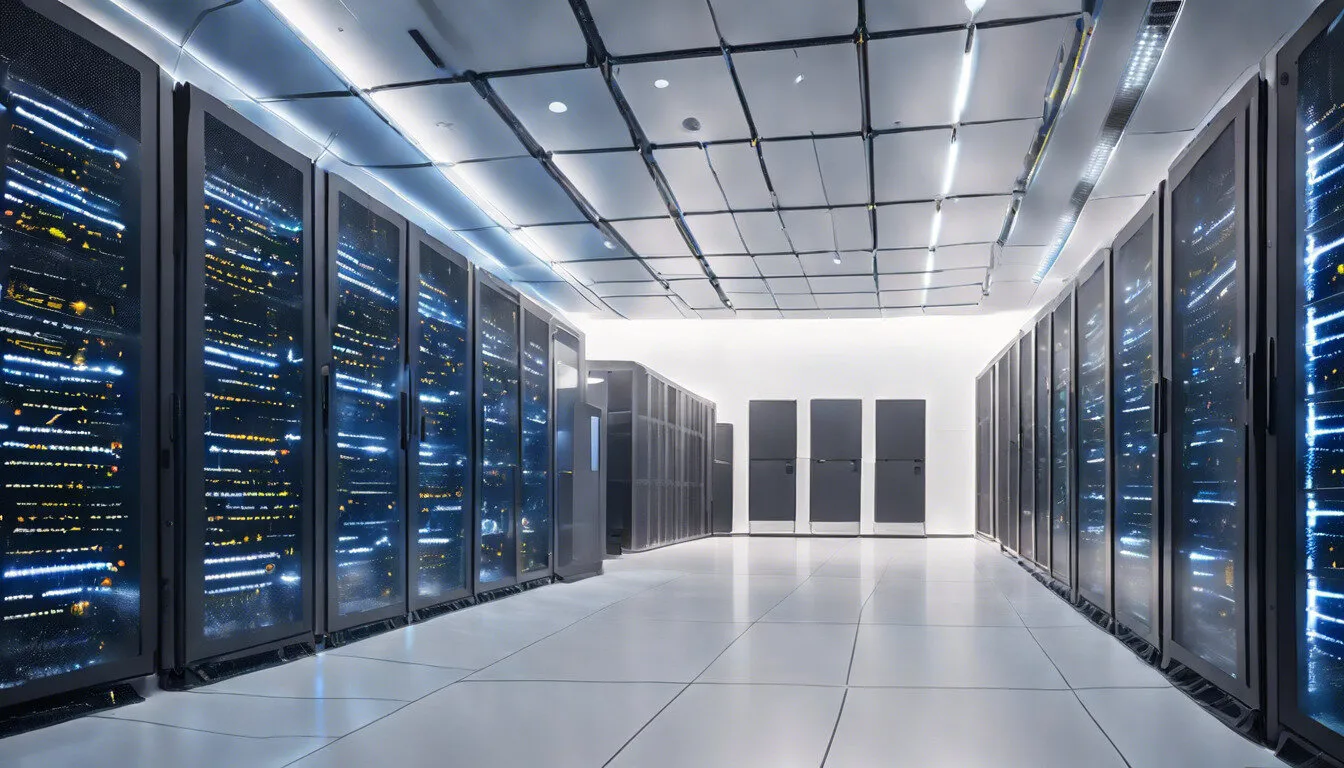
Artificial intelligence is transforming the technology industry, attracting enormous investment and changing how businesses operate. But behind the rapid growth of AI is a growing challenge: the huge amount of electricity needed to power the infrastructure supporting it.
Data centres are becoming essential to the AI economy. They store information, process requests and operate the computing systems behind many modern digital services. As demand for AI increases, companies are investing heavily in new facilities.
However, communities are beginning to question whether the benefits of this expansion outweigh the costs.
Why data centres need so much electricity
AI systems require powerful computer processors that operate in large facilities around the clock. These machines consume electricity and generate heat, requiring additional cooling systems.
As more companies develop AI products, the demand for computing capacity continues to grow.
This creates pressure on electricity networks, particularly in areas where several large data-centre projects are planned.
Communities are starting to push back
The expansion of data centres is increasingly becoming a local political issue.
Residents and local officials have raised concerns about electricity demand, environmental effects, water use and whether nearby communities receive enough economic benefits from these developments.
A Reuters report published on November 3 described growing opposition to data-centre projects in several countries, including the United States and Australia.
In the United States, voters in ten states are due to consider measures that could restrict or influence local data-centre development.
The debate shows that AI infrastructure is no longer only a technology-industry issue. It is increasingly connected to local planning, energy policy and household concerns.
The economic benefits versus the costs
Data centres can attract investment, support technology businesses and create construction and specialist jobs.
But critics argue that the long-term benefits for local communities are not always clear, particularly when electricity demand and environmental costs increase.
The challenge for policymakers is to encourage innovation without allowing infrastructure expansion to place unreasonable pressure on residents and public resources.
What comes next for America's AI industry?
The United States remains a major centre of AI development, and demand for computing infrastructure is expected to remain significant.
The next stage of the AI boom may therefore depend not only on better software and faster chips, but also on whether the country can build enough reliable energy infrastructure.
The future of artificial intelligence could be shaped by a question that sounds surprisingly ordinary: how much electricity can society afford to dedicate to it?