The Future of Human Intelligence: Can Technology Change the Way We Think?
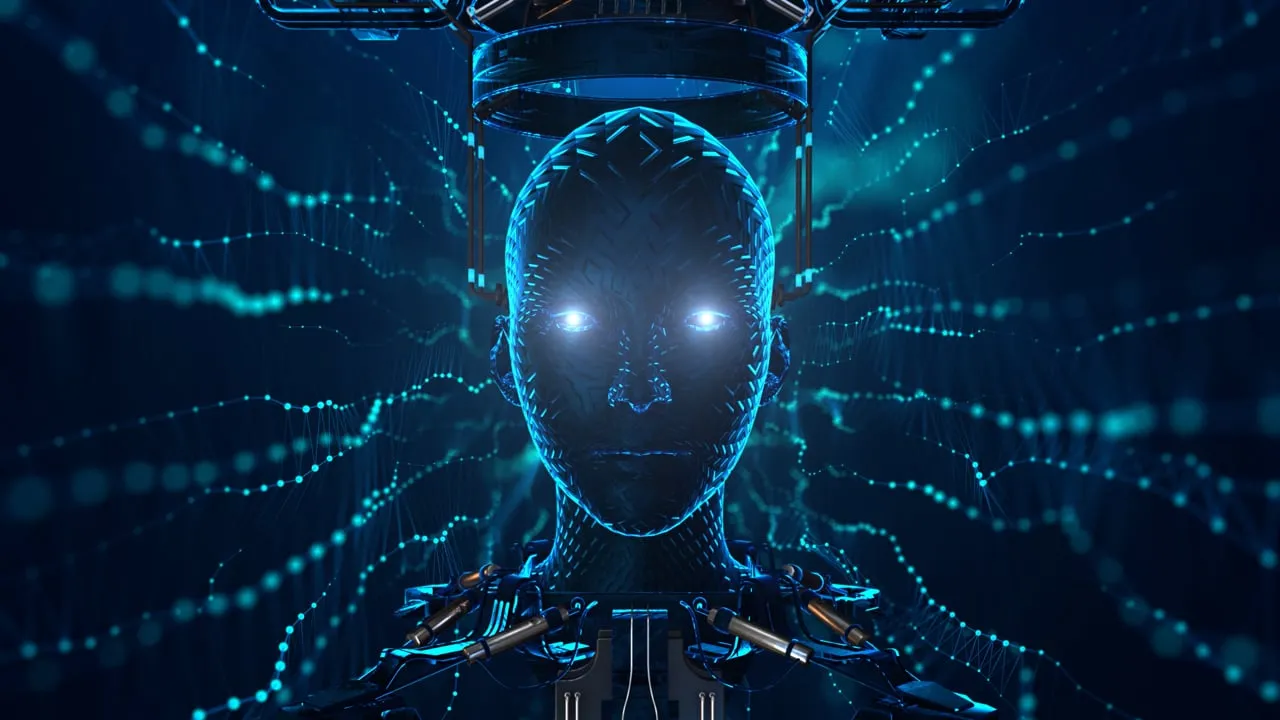
As artificial intelligence becomes increasingly capable, scientists and technology developers are exploring a new relationship between human intelligence and machines. The question is no longer simply what computers can do, but how they may change the way people learn, reason, and solve problems.

For centuries, human intelligence has been one of the defining features of our species. The ability to develop language, create tools, understand complex ideas, and share knowledge has allowed humanity to transform the world.
Today, artificial intelligence is introducing a new dimension to that story. Machines can summarize information, recognize patterns, generate content, and assist with problems that once required substantial human effort.
These developments offer extraordinary possibilities, but they also raise important questions about the future of human thinking.
Intelligence Beyond the Human Brain
Artificial intelligence can perform tasks that appear to require reasoning, creativity, or specialized knowledge. It can analyze large datasets, generate computer code, assist with scientific research, and explain complex subjects in accessible language.
However, machine intelligence and human intelligence are not identical.
AI systems operate through computational processes and learned patterns. Their capabilities depend on their design, training, available information, and the task they are given.
Human intelligence also involves lived experience, physical interaction with the world, social understanding, emotions, and the ability to form goals based on personal values.
Although AI can imitate aspects of human communication and problem-solving, its outputs should not automatically be treated as evidence of human-like understanding.
Recognizing these differences is essential when evaluating what AI can accomplish and where human judgment remains necessary.
Could AI Make People Smarter?
Technology has always expanded human capabilities. Books allow knowledge to survive beyond individual lifetimes, calculators make complex arithmetic easier, and search engines provide rapid access to information.
AI could become another tool that helps people learn more efficiently.
A student can use an AI assistant to explore a difficult concept, receive alternative explanations, or practice a new language. A researcher can use AI to organize information and identify potential connections. A professional can use it to explore possible solutions before making a decision.
When used actively, these tools can support learning and problem-solving.
The risk emerges when people accept generated answers without questioning them or rely on automated systems to perform every difficult mental task. Producing an answer quickly is not the same as understanding why it is correct.
The most beneficial approach may be to use AI to extend human capabilities rather than replace the thinking process itself.
The Danger of Overdependence
As AI becomes more convenient, people may increasingly turn to it before attempting problems independently.
This is not necessarily harmful in every situation. Delegating repetitive tasks can free time for more meaningful work.
However, certain skills develop through practice. Writing improves through constructing arguments, problem-solving develops through working through uncertainty, and critical thinking requires evaluating competing explanations.
If these activities are consistently outsourced, people may have fewer opportunities to practice them.
The long-term consequences of widespread AI dependence are still being studied. It would be premature to conclude that AI inevitably weakens human intelligence, but it is reasonable to ask how its use affects learning, memory, and independent judgment.
A New Era of Human Creativity
AI can generate images, music, text, and design concepts in seconds. This has made creative experimentation more accessible to people who may lack advanced technical skills or expensive production equipment.
Independent creators can explore visual ideas, prototype products, and develop projects with smaller teams.
Yet creativity involves more than producing a finished image or piece of writing. It can also involve intention, cultural context, personal experience, and the decisions that give a work its meaning.
The growing use of AI raises questions about authorship, copyright, compensation, and consent. Artists and writers may be concerned about how their work is used to train models and how generated content affects their livelihoods.
The future of creativity will depend partly on whether technology can support innovation while respecting the people whose work contributes to it.
Will Human Intelligence Become More Valuable?
As machines become capable of handling more routine tasks, distinctly human abilities may become increasingly important in many settings.
Evaluating evidence, understanding complex social situations, communicating effectively, making ethical decisions, and recognizing when a system is wrong are valuable skills when working with automated tools.
People may also need to become better at asking questions. An AI system can provide an answer, but the quality of that answer often depends on how the problem is defined and what information is available.
Education may therefore need to place greater emphasis on reasoning, experimentation, collaboration, and the ability to evaluate technological outputs.
Conclusion
Artificial intelligence is changing the relationship between people and information. It can make knowledge more accessible, help solve complex problems, and open new possibilities for creativity.
But these benefits do not remove the need for independent thought.
The challenge is to build a future in which technology supports human intelligence without discouraging curiosity, judgment, and the effort required to understand the world.
AI may become increasingly capable, but the decisions about what matters, which problems deserve attention, and how technology should be used will remain important human responsibilities.
The future may not be a competition between human intelligence and machines. It may depend on how effectively the two can work together.