Australian Government Faces Growing Political Pressure After Another Interest Rate Increase
November 6, 2026
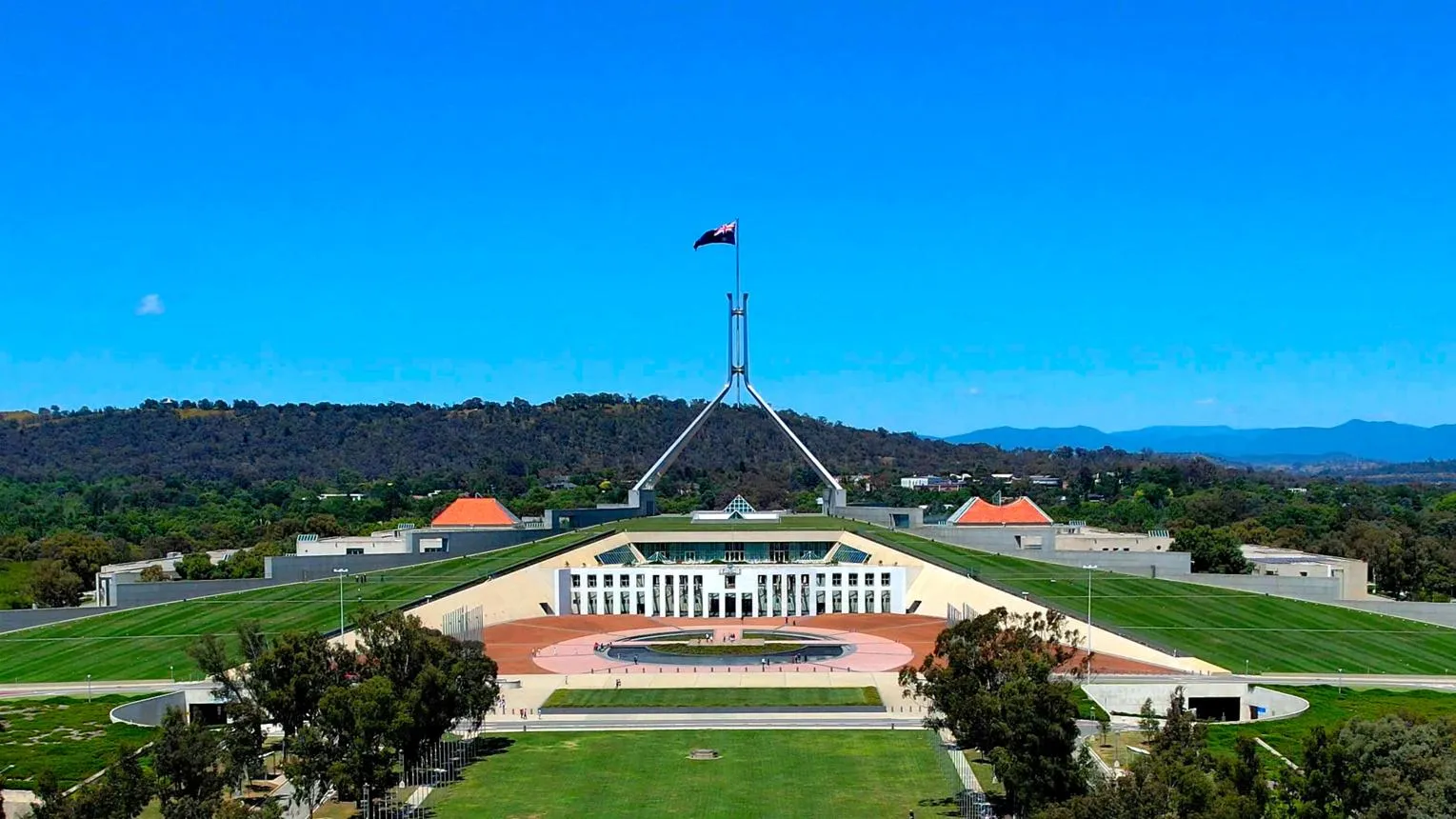
Australian Prime Minister Anthony Albanese's government is facing renewed political pressure following the Reserve Bank of Australia's decision to increase interest rates to 4.85%, the highest level in 18 years.
The latest increase has intensified debate about government spending, inflation and the cost of living, with opposition politicians arguing that the government's economic policies are contributing to financial pressure on households.
The government, however, says international developments and broader economic conditions are also playing an important role.
Opposition challenges the government's economic record
Opposition Leader Angus Taylor has criticised the government's approach to spending, arguing that Australia needs stronger action to control inflation.
Taylor has called for reductions in government spending and argued that excessive public expenditure can increase demand across the economy.
The opposition has also proposed cuts to certain climate and housing initiatives, saying that reducing expenditure could help ease inflationary pressure.
Albanese government defends its approach
The government has rejected claims that its policies are solely responsible for the country's economic difficulties.
Prime Minister Anthony Albanese and Finance Minister Katy Gallagher have defended their approach, arguing that economic decisions must balance spending reductions with support for essential public services.
The government has also pointed to international pressures, including higher energy costs and global uncertainty.
Finance Minister Gallagher has said that the government wants to find savings while continuing to support healthcare, social security and other important services.
A debate over healthcare spending
Another political disagreement involves government support for private health insurance.
Labor has attempted to reduce the private health insurance rebate available to Australians aged 65 and over, arguing that the change could save approximately A$3 billion over four years.
The Coalition has opposed the proposal, saying it could discourage older Australians from maintaining private health coverage and place additional pressure on the public healthcare system.
The disagreement highlights the difficulty of finding government savings when political parties have different priorities.
What does this mean for Australian voters?
The economic debate is likely to remain important as households deal with higher borrowing costs and everyday expenses.
For voters, the issue is not simply which party wins an argument over government spending.
They want to know whether political decisions will improve living standards, protect essential services and create a more stable economy.
The political challenge ahead
The Albanese government faces the difficult task of demonstrating that it can manage inflation while protecting public services.
The opposition, meanwhile, must convince voters that its proposed spending reductions would produce better economic outcomes.
With interest rates and household affordability becoming major political issues, the government's economic performance is likely to remain under close public scrutiny in the months ahead.
- #Angus Taylor
- #Anthony Albanese
- #Australia
- #Australian Politics
- #Economy
- #Government Spending
- #Interest Rates
- #Parliament