Scientists Discover Unusual Ocean Warming Beneath Coast of Canada
Scientists Discover Unusual Ocean Warming Beneath the Pacific Coast of Canada
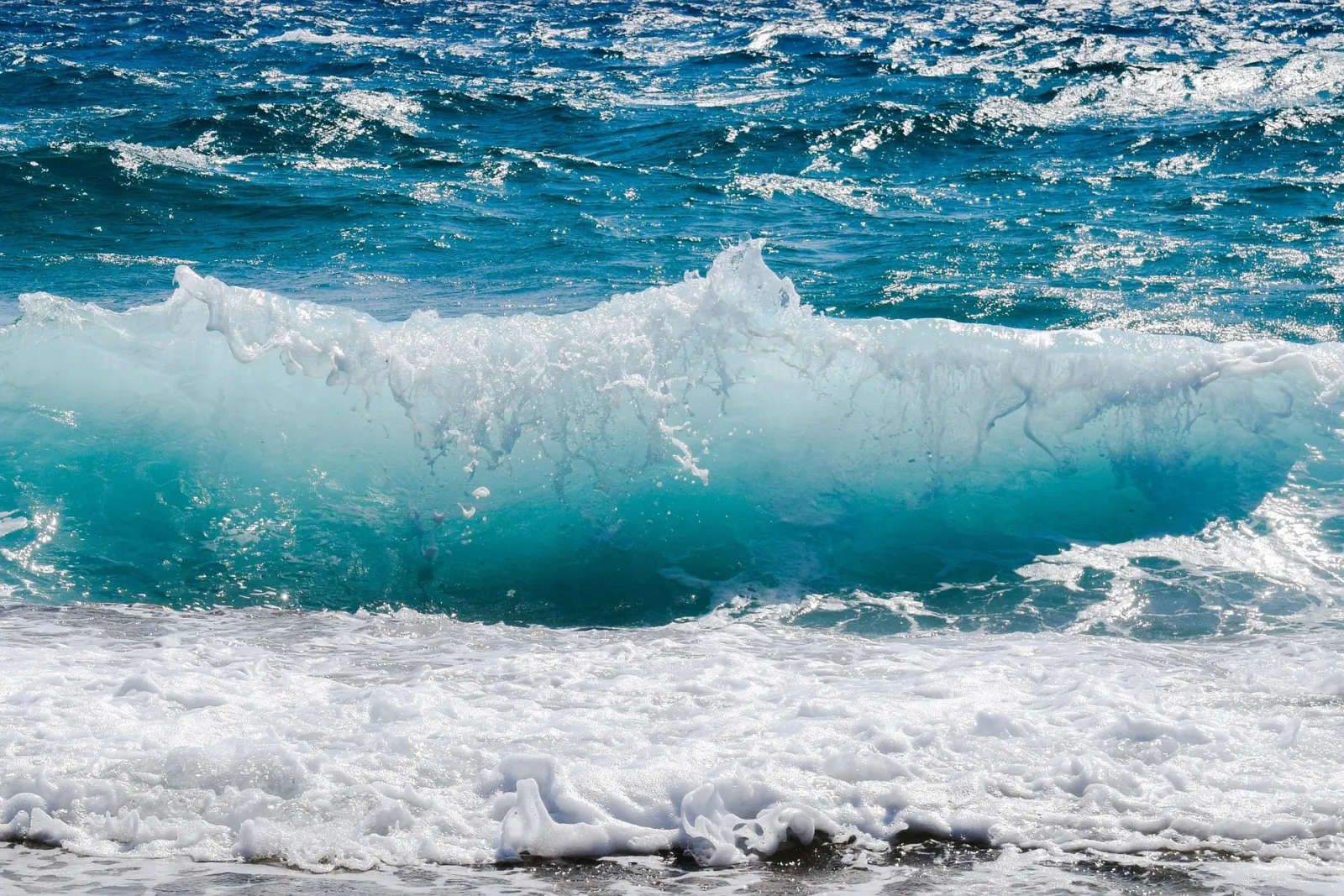
Canada's Pacific coastline is home to one of the world's most important marine environments, supporting fisheries, coastal communities and an extraordinary variety of underwater life.
But recent measurements from underwater research stations off British Columbia have revealed unusually warm ocean conditions, raising new questions about how changing ocean temperatures could affect marine ecosystems.
A surprising discovery beneath the surface
Researchers working with Ocean Networks Canada have recorded unusually high water temperatures at an underwater monitoring location off Vancouver Island.
On November 8, 2026, instruments at Barkley Canyon's upper slope recorded a temperature of 8.21°C at a depth of approximately 400 metres.
According to the research organisation, this was 2.49°C above the site's long-term average and 0.89°C higher than its previous record, established in 2019.
The measurements provide an important indication of how ocean conditions are changing below the surface, where conventional satellite observations cannot directly measure water temperatures at depth.
Winnipeg Free Press
What is causing the warming?
Researchers have linked the warmer conditions to the arrival of an El Niño pattern in the Pacific Ocean, alongside the longer-term influence of climate change.
El Niño develops when changes in atmospheric circulation and ocean temperatures disrupt the usual patterns of tropical Pacific waters.
These changes can influence weather patterns and ocean conditions across large parts of the world.
However, understanding the exact contribution of different factors requires continued monitoring and scientific analysis.
Why underwater monitoring matters
Ocean temperatures influence much more than the weather.
Changes in water temperature can affect marine habitats, species distribution, food availability and the conditions supporting commercial fisheries.
Some marine organisms are particularly sensitive to temperature changes, meaning unusual warming can potentially create additional pressure on ecosystems.
The measurements from British Columbia are particularly valuable because they come from long-running underwater observatories rather than occasional surface observations.
A new generation of ocean research
Canada's underwater monitoring infrastructure demonstrates how technology can help scientists observe environmental changes that would otherwise remain difficult to detect.
By collecting continuous measurements from the ocean floor and surrounding waters, researchers can identify unusual patterns and investigate how marine environments respond to changing conditions.
For coastal communities, fisheries and conservation organisations, understanding these developments will become increasingly important.
The latest readings are a reminder that some of the most significant environmental changes are happening far below the ocean's surface, beyond the reach of ordinary observation.