A Lost Stone Age Monument Has Reappeared in Dorset
A Lost Stone Age Monument Has Reappeared in Dorset After Being Hidden for Generations
A mysterious prehistoric stone has been brought back into view in one of southern England's most unusual archaeological landscapes, potentially revealing another piece of Britain's ancient history.
The five-foot-tall stone, named the Bride Stone, was uncovered during vegetation clearance at the Valley of Stones National Nature Reserve in Dorset. The landscape is famous for its enormous natural sarsen boulders, but archaeologists believe this particular stone once formed part of a Stone Age tomb.
The discovery was made possible through cooperation between Natural England, community archaeology organisation Past Participate and local volunteers.
A monument hidden in plain sight
The Valley of Stones is a remarkable landscape containing thousands of large sarsen stones. These rocks are millions of years old and have shaped the area's distinctive appearance.
However, the Bride Stone appears to have a different story from the surrounding natural boulders.
Archaeological excavation suggests it was once incorporated into a prehistoric burial monument. Over generations, vegetation and changes to the landscape concealed its original position and significance.
Its reappearance provides an opportunity to investigate how prehistoric communities used the area and how ancient monuments may have been arranged within the landscape.
Understanding Britain's prehistoric communities
Stone monuments were important features of prehistoric Britain. They could serve as burial places, ceremonial structures and markers within territories used by ancient communities.
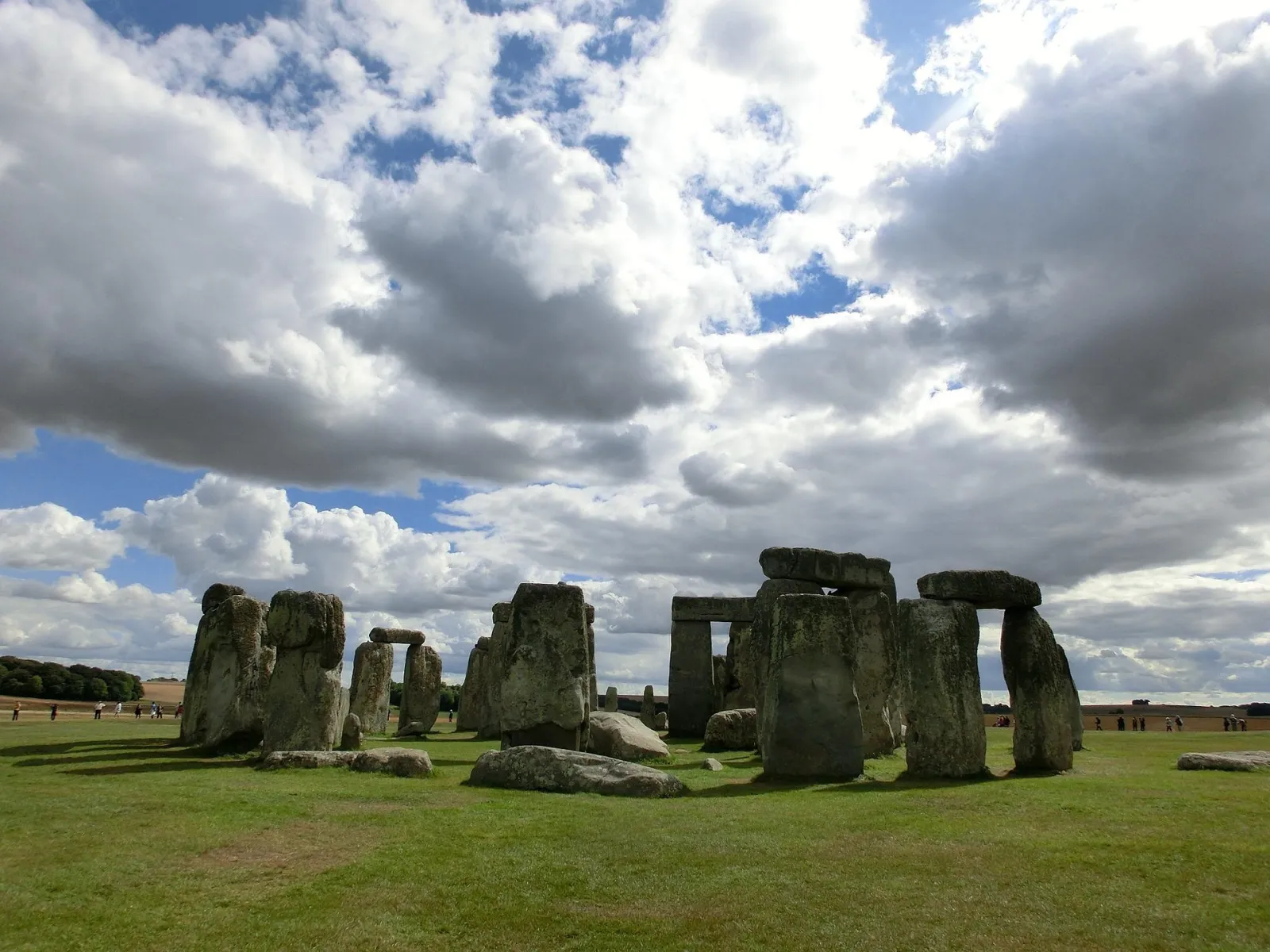
Although the Bride Stone is not comparable in size to famous monuments such as Stonehenge, discoveries like this are valuable because they reveal smaller archaeological sites that might otherwise disappear from historical records.
The stone will now become a focal point for visitors exploring the reserve.
A discovery that changes the landscape's story
The Valley of Stones is already an important natural and geological site, but the discovery adds another dimension to its significance.
It demonstrates how apparently ordinary landscapes can conceal evidence of thousands of years of human activity.
As archaeological work continues, the Bride Stone may help researchers better understand the relationship between prehistoric people, burial traditions and the natural environment.