The World's Oceans Face Growing Environmental Threat
The world's oceans play an essential role in maintaining the planet's environmental balance.
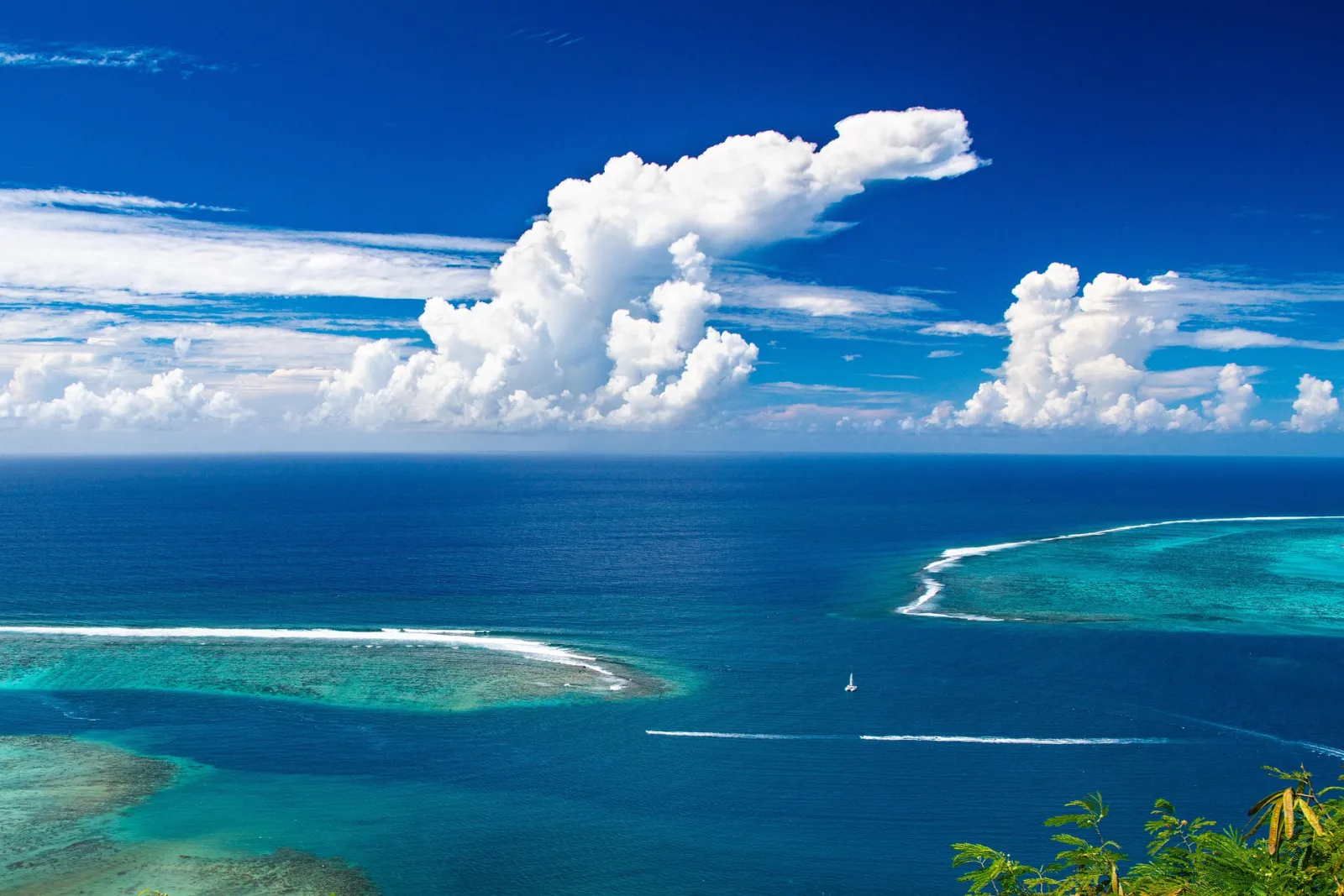
They regulate global temperatures, support marine ecosystems, provide food, and contribute significantly to the global economy.
However, human activities are placing increasing pressure on marine environments, creating challenges that affect wildlife, coastal communities, and international industries.
Plastic Pollution Remains a Major Challenge
Plastic waste is one of the most visible forms of marine pollution.
Discarded packaging, fishing equipment, and other plastic materials can enter rivers and eventually reach the ocean.
Marine animals may become trapped in plastic debris or accidentally consume smaller fragments.
Microplastics have also become a major research concern because tiny plastic particles have been detected in numerous environmental systems.
Reducing unnecessary plastic consumption, improving waste collection, and strengthening recycling systems are important parts of addressing the problem.
Climate Change Is Affecting Marine Ecosystems
Ocean temperatures are increasing as the planet warms.
This can contribute to coral bleaching, changes in marine species distribution, and disruptions to ecosystems.
Ocean acidification is another important issue. As seawater absorbs carbon dioxide from the atmosphere, its chemistry changes, creating additional challenges for organisms that build shells and skeletons from calcium carbonate.
These changes can affect entire food webs.
Protecting Marine Biodiversity
Marine protected areas are an important conservation tool.
They can help safeguard vulnerable habitats, support fish populations, and reduce pressure from certain human activities.
However, effective protection requires monitoring, enforcement, scientific research, and cooperation between governments and local communities.
Why the Future of the Oceans Matters
Healthy oceans are essential for environmental stability and human prosperity.
Protecting marine ecosystems requires long-term international cooperation and practical changes in how societies manage waste, fisheries, and coastal development.
The decisions made today will influence the condition of marine environments for generations to come.