Halloween: The Magic of the World's Spookiest Night
Halloween: The Ancient Origins, Dark Traditions, and Enduring Magic of the World's Spookiest Night
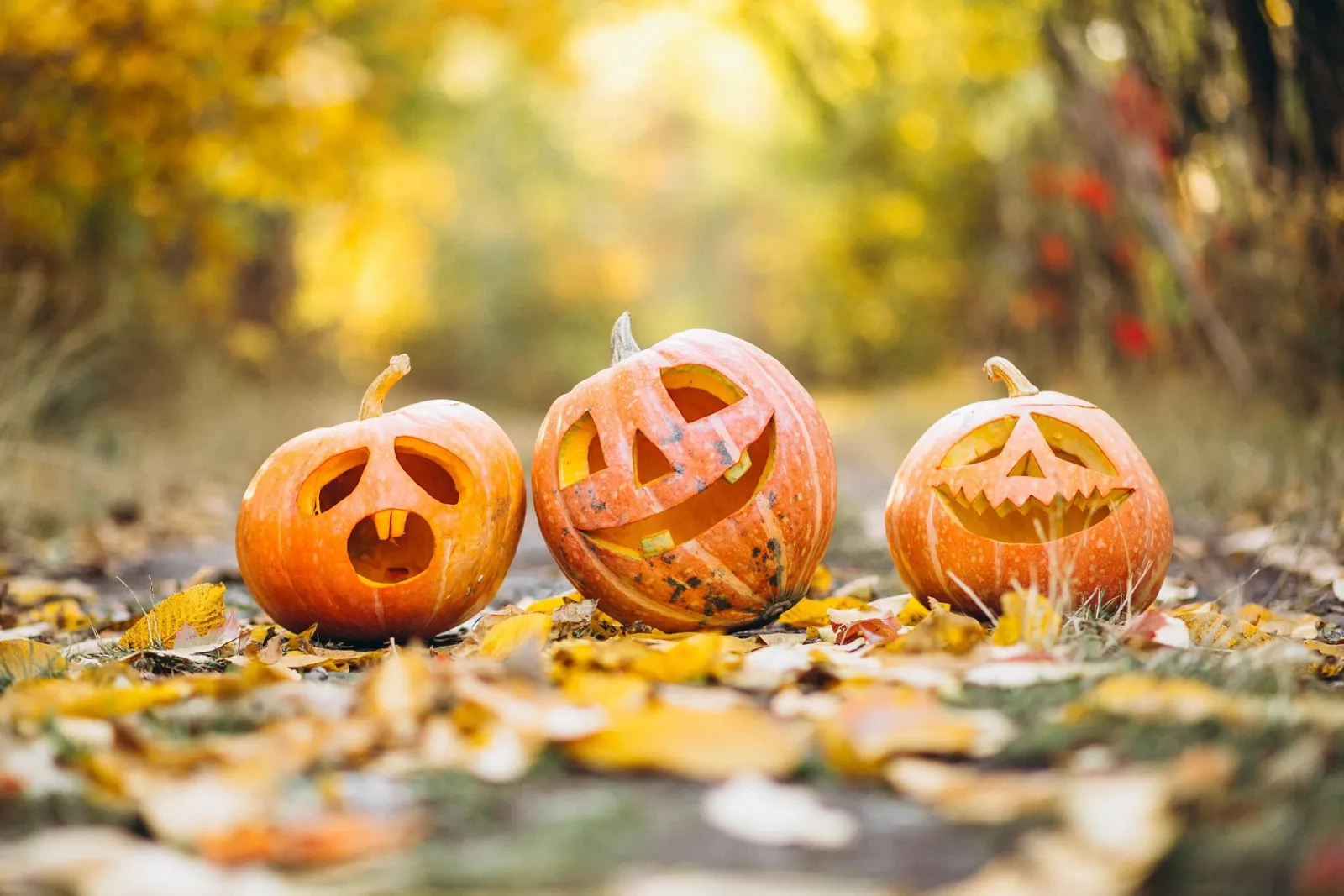
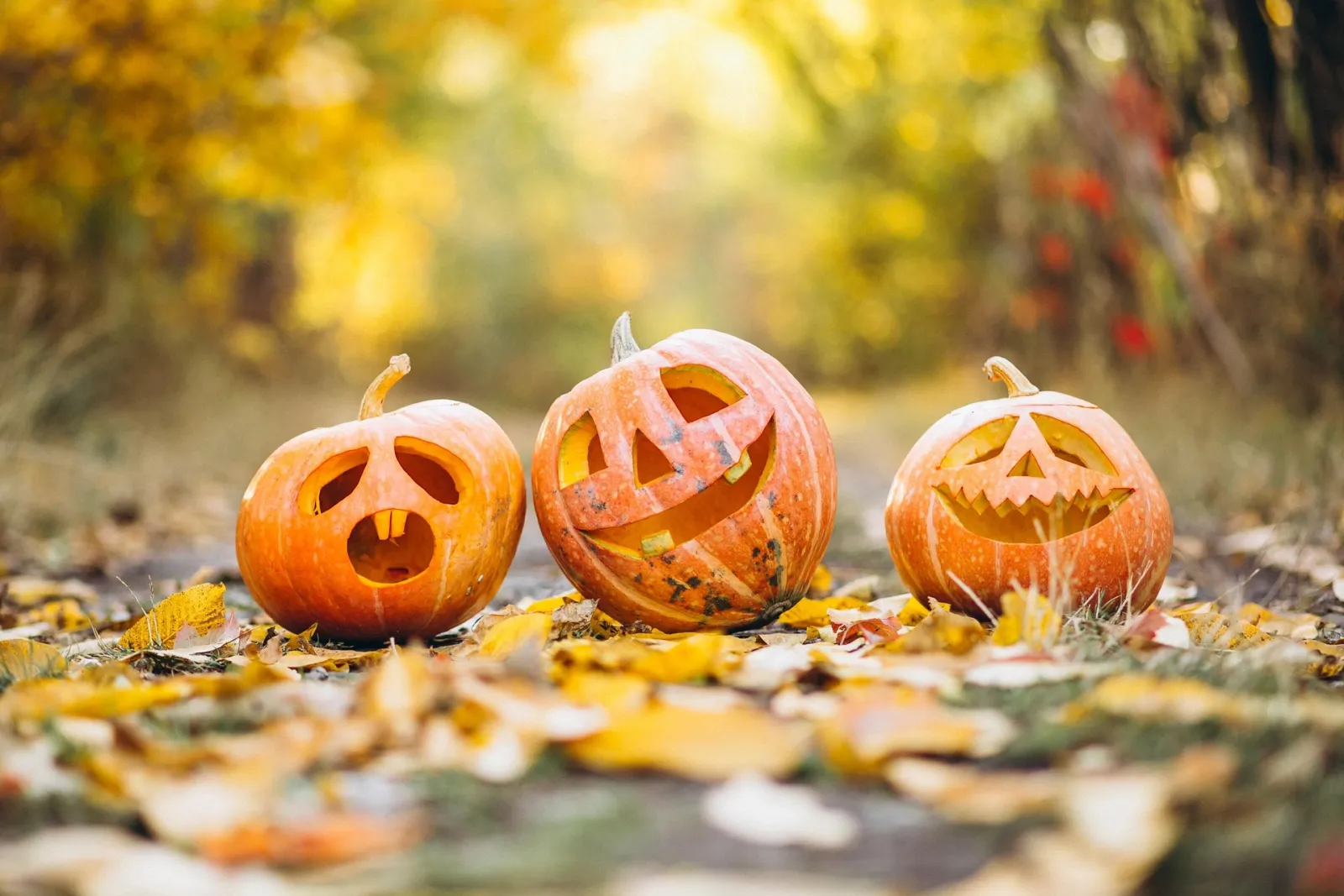
Every year, as October draws to a close, streets transform into landscapes of glowing pumpkins, mysterious costumes, haunted decorations, and flickering candlelight. Children knock on doors asking for sweets, families gather for horror movie nights, and entire communities embrace the strange and supernatural. Halloween has become one of the world's most recognizable celebrations, but behind its playful traditions lies a history stretching back thousands of years.
Its origins are far older and more fascinating than the modern celebrations might suggest.
The Ancient Festival That Inspired Halloween
Halloween's roots are commonly traced to Samhain, an ancient Celtic festival celebrated in regions that are now Ireland, Scotland, and parts of Britain. Marking the end of the harvest season and the beginning of winter, Samhain was traditionally observed around October 31 and November 1.
For ancient Celtic communities, winter represented more than a change in weather. It was a difficult period associated with darkness, uncertainty, and the struggle for survival. According to traditional beliefs, the boundary between the world of the living and the world of the dead became thinner during this time.
People believed spirits could return to the earthly world, and communities developed customs intended to protect themselves from harmful supernatural forces. Bonfires were lit, food was prepared, and people sometimes wore disguises to confuse or avoid wandering spirits.
Although modern Halloween is very different from these ancient celebrations, many of its mysterious elements can be connected to these traditions.
Why Do We Carve Pumpkins?
One of Halloween's most recognizable symbols is the jack-o'-lantern, a carved pumpkin illuminated from within.
Interestingly, the tradition originally involved turnips rather than pumpkins. In Ireland and Scotland, people carved frightening faces into turnips and other root vegetables, placing candles inside them.
The practice became associated with a mysterious character known as Stingy Jack, a figure from Irish folklore who supposedly tricked the Devil and was condemned to wander the earth with only a burning coal inside a carved vegetable to light his way.
When Irish immigrants brought their traditions to North America during the nineteenth century, they discovered that pumpkins were larger, softer, and much easier to carve. Over time, the pumpkin became the symbol we recognize today.
How Halloween Became a Global Celebration
Halloween gradually transformed from a collection of regional folk traditions into a major cultural celebration.
During the nineteenth century, Irish and Scottish immigrants helped introduce Halloween customs to North America. Communities began organizing gatherings, games, seasonal celebrations, and costume parties.
By the twentieth century, Halloween had become increasingly commercialized, with costumes, decorations, candy, and organized neighborhood activities becoming central to the celebration.
The tradition of trick-or-treating developed into its familiar modern form during the early twentieth century, becoming especially popular in North America after the Second World War.
Today, Halloween is celebrated in many countries, although traditions differ considerably. In some places, it is primarily a night of costumes and entertainment. Elsewhere, it remains connected to remembrance, religious observances, and traditional autumn festivals.
A Night Between History and Imagination
Halloween has survived for centuries because it represents something deeply connected to human culture: our fascination with the unknown.
What began as ancient seasonal customs gradually evolved through folklore, migration, religious traditions, literature, and modern entertainment. Today, glowing pumpkins and elaborate costumes may dominate the celebration, but beneath the decorations remains a much older story about humanity's relationship with darkness, death, and mystery.
As October 31 arrives once again, millions of people will light their pumpkins, put on costumes, and step into a world where imagination takes control.
And perhaps that is the real magic of Halloween: for one night, the ordinary world becomes a little less ordinary.