Canada's Crypto ETF Market Expands Beyond Bitcoin as Investors Explore New Digital Assets
November 5, 2026
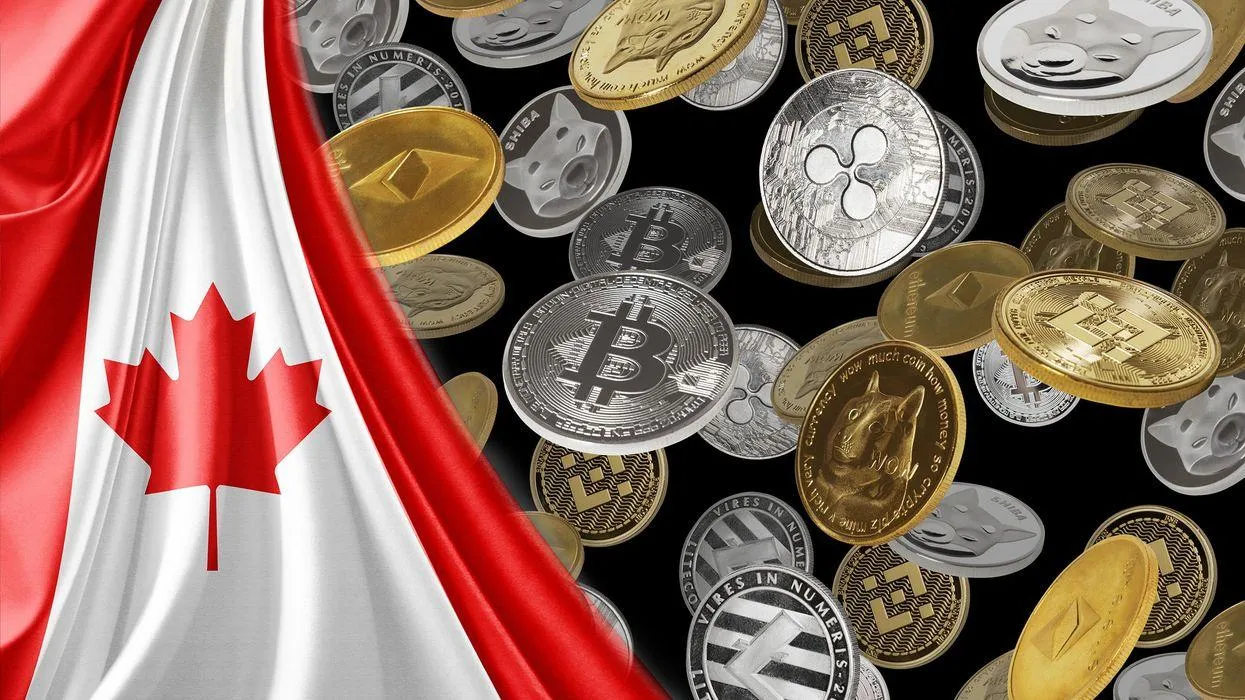
Canada's cryptocurrency investment market is becoming more diverse as financial companies offer investors access to digital assets through exchange-traded funds.
Bitcoin and Ethereum remain important parts of the market, but Canadian investors can now also find investment products connected to cryptocurrencies such as Solana and XRP.
The development reflects a wider change in the financial industry: investors increasingly want access to digital assets through products that can be traded using traditional brokerage accounts.
Canada was an early crypto ETF market
Canada has played an important role in the development of regulated cryptocurrency investment products.
The country launched Bitcoin and Ether exchange-traded funds in 2021, allowing investors to gain exposure to these assets through traditional investment accounts.
Some of these products can also be held in registered accounts, depending on the fund and account eligibility.
This has provided an alternative for people who prefer not to manage cryptocurrency wallets or directly purchase digital coins.
Why are investors looking beyond Bitcoin?
Bitcoin remains the best-known cryptocurrency, but other blockchain networks have attracted attention because they offer different technology and potential applications.
Ethereum supports a large ecosystem of decentralised applications and digital assets.
Solana has attracted interest for its transaction speed and blockchain applications, while XRP is associated with payment-related technology.
Investment funds linked to these assets give investors additional choices, although they do not remove the risks associated with cryptocurrency prices.
What should investors understand?
An ETF can make cryptocurrency exposure easier to access, but it does not make the underlying asset safe or guarantee profits.
Digital currencies can experience significant price movements. Investors may lose money even when using products offered through established financial institutions.
Management fees, fund structures, custody arrangements and tax treatment can also differ between products.
Canada's role in the future of crypto
The growth of Canada's crypto ETF market demonstrates how digital assets are becoming part of the traditional investment industry.
However, wider availability does not automatically mean that every cryptocurrency is suitable for every investor.
The next stage of the market will depend on investor demand, regulatory oversight and whether financial products can provide transparent access to digital assets.
Canada's experience may also offer lessons for other countries considering how cryptocurrency should fit into their existing financial systems.