Canadian Scientists Identify Overlooked DNA Regions Linked to Autism Research
November 10, 2026
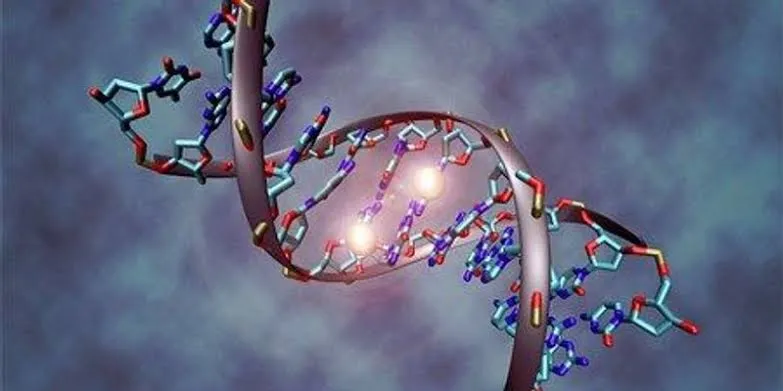
Researchers connected to the University of Toronto have identified previously overlooked sections of DNA that could help explain some of the genetic factors involved in autism spectrum disorder.
The research, announced on November 6, focuses on parts of the genome that do not directly produce proteins but help regulate how genes behave.
Although scientists have made progress identifying genetic contributions to autism, understanding how different genetic variations influence brain development remains a complicated challenge.
Many genetic studies have traditionally focused on changes within protein-coding genes. However, large parts of human DNA have regulatory functions, influencing when, where and how strongly particular genes become active.
The Canadian research team examined these less-studied regions and identified gene segments associated with autism and other neurological conditions.
Researchers also developed a machine-learning approach designed to predict how genetic variations could affect the regulation of these genes.
This could help scientists investigate genetic changes that might otherwise be overlooked in conventional analyses.
The work highlights the growing importance of combining genetics and artificial intelligence in biomedical research. Machine-learning systems can help researchers analyse complex genetic information and identify patterns that would be difficult to detect using traditional methods alone.
However, the findings should not be interpreted as a diagnostic test or a single explanation for autism. Autism is complex, and its development involves many genetic and environmental factors.
The research represents another step towards understanding how differences in gene regulation may contribute to neurological development.
Further studies will be needed to establish how individual genetic findings influence biological processes and whether they could eventually contribute to improved research tools or clinical approaches.
The discovery also reinforces an important point in modern genetics: understanding DNA requires looking beyond the genes that produce proteins and examining the regulatory instructions that help control them.
- #artificial intelligence
- #Autism Research
- #Canada
- #DNA
- #Genetics
- #Medical Research
- #Science
- #University of Toronto