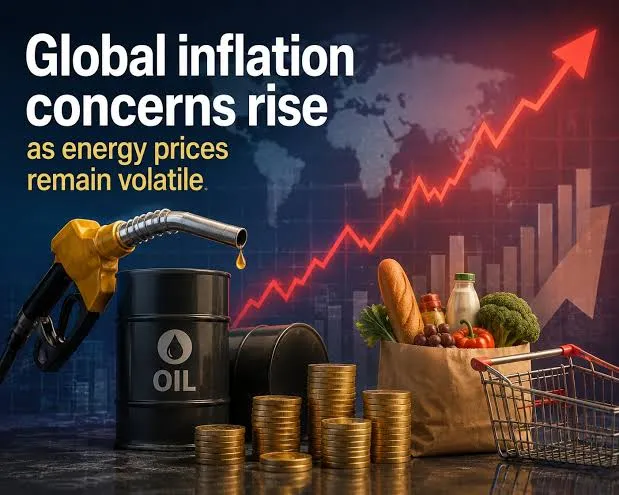
Global Inflation Could Remain High Into 2027 as Energy Costs Pressure Households
October 31, 2026
The global economy is facing another difficult period as rising energy costs continue to put pressure on prices, raising concerns that inflation could remain elevated well into 2027.
Economists surveyed by Reuters have increased their inflation forecasts for many countries, suggesting that the recent rise in energy prices may have longer-lasting consequences than previously expected. More than 500 economists participated in the survey, which found that inflation forecasts for 2027 had increased in 31 of the 50 economies examined.
Energy prices are a major part of the problem. Higher oil costs can affect transportation, manufacturing, food production and electricity, creating additional expenses for businesses. Companies may eventually pass some of these costs on to consumers through higher prices.
Economic Growth Is Holding Up
Despite inflation concerns, the global economy has shown more resilience than some analysts expected. The same Reuters survey raised its global growth forecast to 3.0% for 2026 and 3.2% for 2027.
Investment in artificial intelligence and technology has become one factor supporting economic activity. Businesses are spending heavily on computing infrastructure, equipment and digital services, helping maintain investment even as households face higher living costs.
However, stronger economic growth can also make inflation more difficult to control. When demand remains strong while energy and production costs rise, central banks may face pressure to keep interest rates higher.
Central Banks Face Difficult Decisions
Central banks must balance two competing priorities: controlling inflation and supporting economic growth.
Higher interest rates can make borrowing more expensive for households and businesses, potentially slowing spending and investment. But keeping rates too low while prices continue rising could allow inflation to become more persistent.
Recent decisions by major central banks reflect this challenge. The US Federal Reserve and European Central Bank kept interest rates unchanged during their latest meetings, while warning that inflation risks remain important.
For households, the consequences are straightforward: expensive energy, food and transportation can reduce the amount of money available for other purchases. People with mortgages or other loans may also face pressure if borrowing costs remain elevated.
What Could Happen Next?
The direction of inflation will depend partly on energy prices, geopolitical developments, consumer demand and the decisions made by central banks.
If energy costs remain high, businesses could face continued pressure to increase prices. If inflation spreads into more parts of the economy, policymakers may find it harder to reduce interest rates without risking another increase in prices.
For now, the global economy is showing signs of continued growth, but that does not mean households are free from financial pressure. The coming months will be important in determining whether inflation begins to ease or becomes a longer-term challenge.
This article is an original summary and analysis of reported economic developments. It is not financial advice.