Economists Warn Global Inflation Could Remain High Into 2027
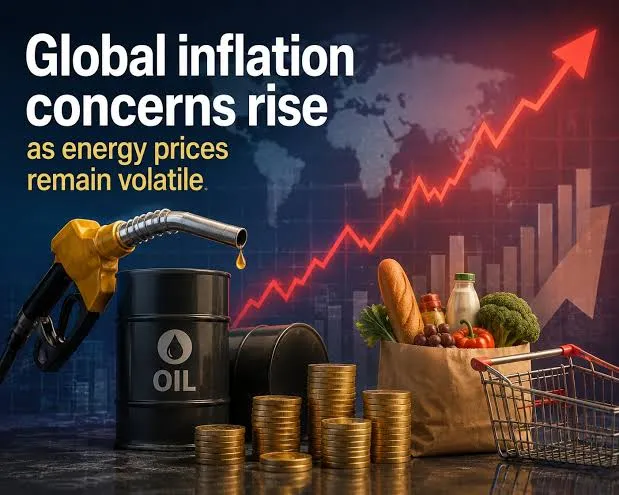
Inflation is expected to remain a major challenge for the global economy well into 2027, as rising energy costs and geopolitical tensions continue to put pressure on prices, according to a new Reuters poll of economists.
The survey, conducted among more than 500 economists worldwide this month, found that forecasts for 2027 inflation had increased across many economies. Analysts are increasingly concerned that higher prices could become more deeply embedded in the global economy rather than easing quickly.
The pressure has been intensified by the conflict in the Middle East, which has pushed oil prices sharply higher. Crude oil prices have remained above $100 per barrel since October 7 and climbed above $117 last week, according to the report.
Higher energy costs can affect much more than fuel bills. Businesses face rising transportation and production expenses, which can eventually feed into the prices consumers pay for food, goods and services.
Inflation Concerns Spread Across Major Economies
Economists raised their inflation forecasts for 31 of the 50 economies included in the latest survey. Expectations for 2027 inflation increased in 15 of the 21 developed economies covered.
The euro zone, Britain, India and Brazil have all seen notable upward revisions to their inflation outlooks in recent surveys. These changes suggest that price pressures could remain a concern even in countries where inflation had previously appeared to be moving toward more comfortable levels.
Central banks may face difficult decisions if inflation continues to accelerate. Raising interest rates can help cool demand and limit price increases, but higher borrowing costs can also make mortgages, business loans and investment more expensive.
Economic Growth Remains More Resilient Than Expected
Despite the inflation risks, the latest forecasts offered a more positive view of economic growth than earlier surveys.
Economists now expect the global economy to grow by 3.0% in 2026 and 3.2% in 2027. Both forecasts were raised by 0.1 percentage point compared with the previous survey in July.
Investment in artificial intelligence has helped support economic activity, particularly in the United States, where spending on AI infrastructure has become an important source of growth.
However, this resilience does not mean households are protected from higher living costs. Rising energy prices can reduce the amount of money families have available for other spending, while companies may pass increased operating costs on to customers.
Central Banks Face a Difficult Balancing Act
Policymakers must weigh the risk of persistent inflation against the possibility that tighter monetary policy could slow economic activity.
If price pressures spread beyond energy, central banks could come under pressure to raise interest rates further. If borrowing costs rise too much, however, businesses may delay investment and consumers may reduce spending.
The coming months will therefore be important for determining whether the current combination of firm economic growth and elevated inflation continues.
For households and businesses, the key question is whether higher energy costs will prove temporary or develop into a broader and longer-lasting increase in prices.