Australia Faces Growing Recession Concerns as Unemployment and Inflation Remain High
November 24, 2026
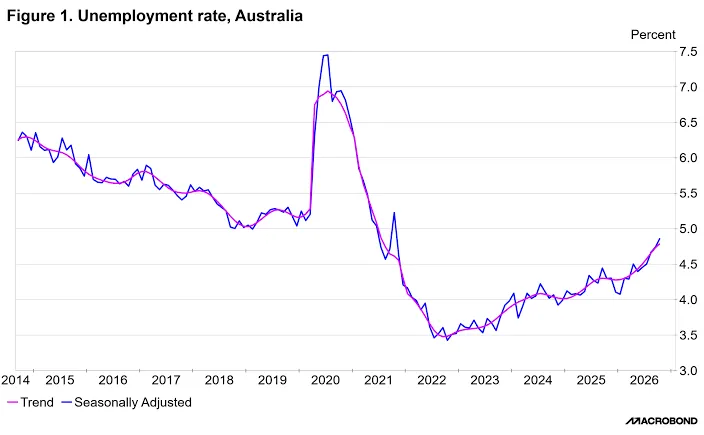
Australia's economic outlook is becoming increasingly uncertain as policymakers face the challenge of controlling inflation while protecting jobs and economic growth.
Treasurer Jim Chalmers has warned that unemployment could rise above 5% by the middle of 2027, while inflation is expected to remain around 3.5%.
The outlook has raised concerns among economists about the possibility of a broader economic slowdown. Economic growth is expected to remain well below 2% for an extended period, according to the forecasts discussed in the Treasurer's recent economic statement.
Macquarie Bank has also warned of significant recession risks, estimating a 50% chance of a downturn. Other economists have expressed concern that higher borrowing costs and weakening consumer demand could further slow the economy.
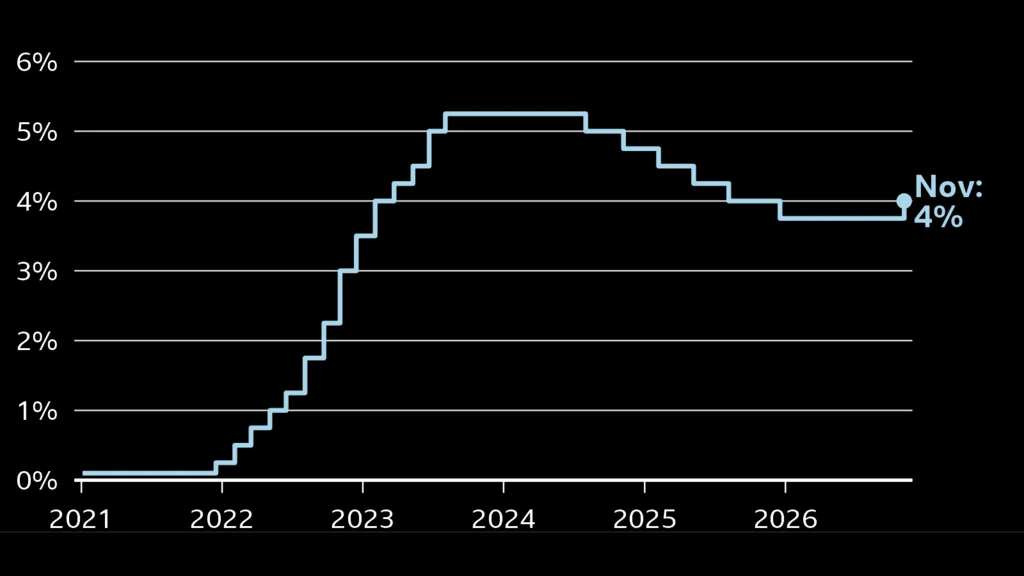
Australia's Reserve Bank has raised interest rates several times in response to persistent inflation. The higher cost of borrowing has placed pressure on households with mortgages and businesses relying on loans.
The government now faces a difficult budget decision. Cutting public spending could help reduce some inflationary pressures, but aggressive cuts could also weaken demand and place additional pressure on employment.
The upcoming mid-year budget update is expected to provide more detail on how the government intends to manage spending, inflation and economic growth.
Australia has not entered a recession, and the warnings remain forecasts rather than confirmed outcomes. However, the latest figures show why the balance between controlling inflation and supporting economic activity has become increasingly important.