Ancient Ape Fossil Found in Egypt Could Change What Scientists Know About Human Evolution
November 1, 2026
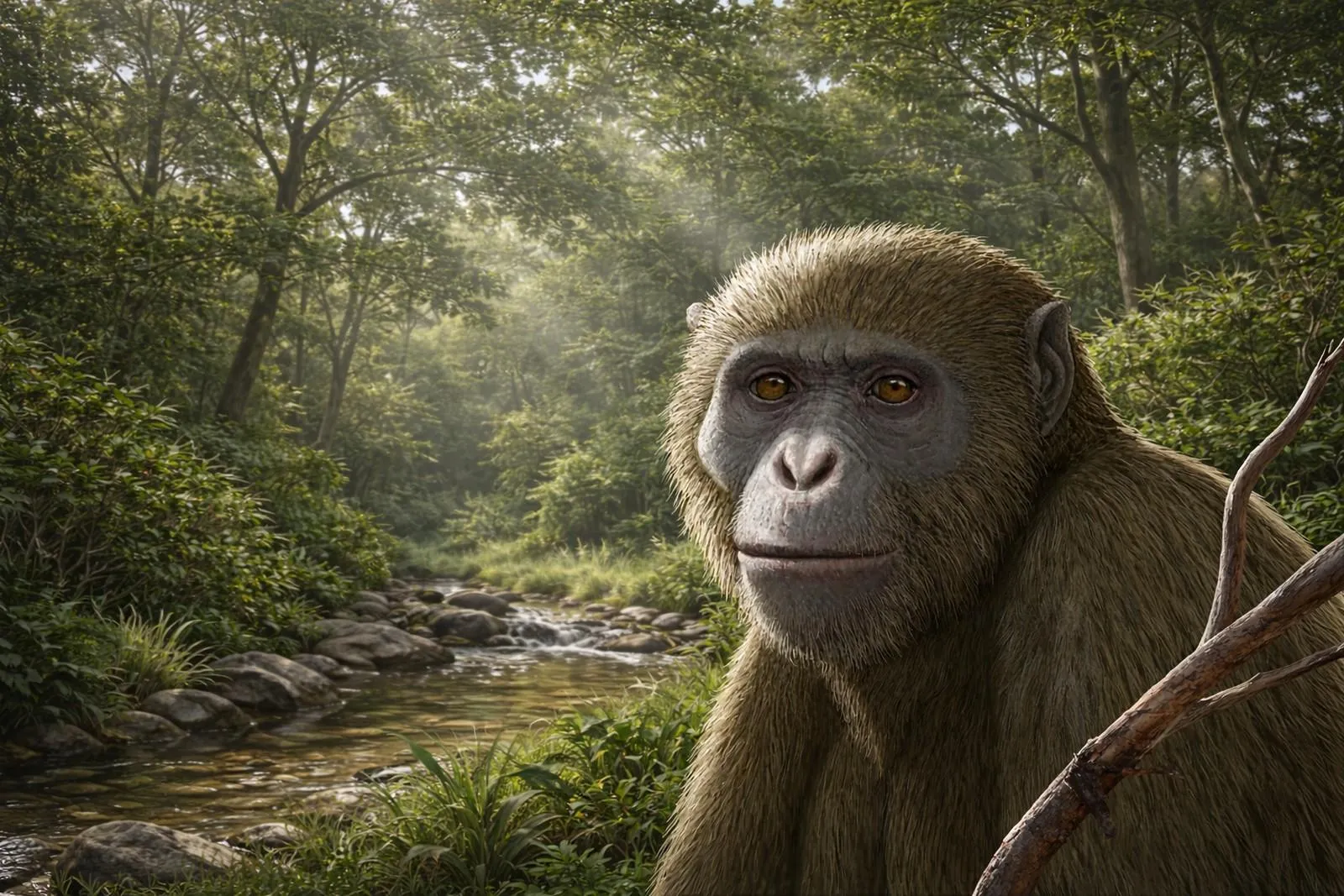
A fossil discovered in northern Egypt is offering scientists a new perspective on the evolutionary history of humans and other modern apes.
The fossil belongs to a previously identified ancient ape species named Masripithecus moghraensis, which lived approximately 17 to 18 million years ago. Researchers say the discovery could help explain where the ancestors of modern apes evolved.
The remains were found at Wadi Moghra in northern Egypt during research expeditions in 2023 and 2024. The discovery is particularly significant because it provides rare evidence of an early ape living in North Africa.
Why the Discovery Matters
For many years, scientists focused heavily on East Africa when studying the early evolution of apes. However, the Egyptian fossil suggests that North Africa and the Middle East may have played a much more important role than previously understood.
Researchers examined the fossil's jaw and teeth, identifying a combination of characteristics that distinguishes the species from other ancient apes.
The animal is believed to have eaten mainly fruit, while its powerful teeth may also have allowed it to consume harder foods such as nuts and seeds.
A New Perspective on Human Origins
The research suggests that the evolutionary ancestors shared by modern apes may have developed in a wider geographical region than scientists once believed.
The findings do not mean that the newly identified species was a direct ancestor of humans. Instead, its position in the evolutionary family tree provides clues about the environment and regions where the ancestors of modern apes may have lived.
The study was published in the scientific journal Science on March 26, 2026.
More Fossils Could Reveal Further Answers
Scientists say the discovery is an important step, but many questions remain unanswered. Only part of the animal's jaw has been recovered, leaving researchers without a complete picture of its appearance, size and behavior.
Further fossil discoveries in North Africa and the Middle East could help researchers understand how ancient ape populations developed and spread across different regions.
The finding is another reminder that new discoveries can challenge long-standing scientific assumptions and reshape our understanding of human evolutionary history.