US Congress Faces First Major Policy Test After Democrats' Midterm Victory
November 9, 2026
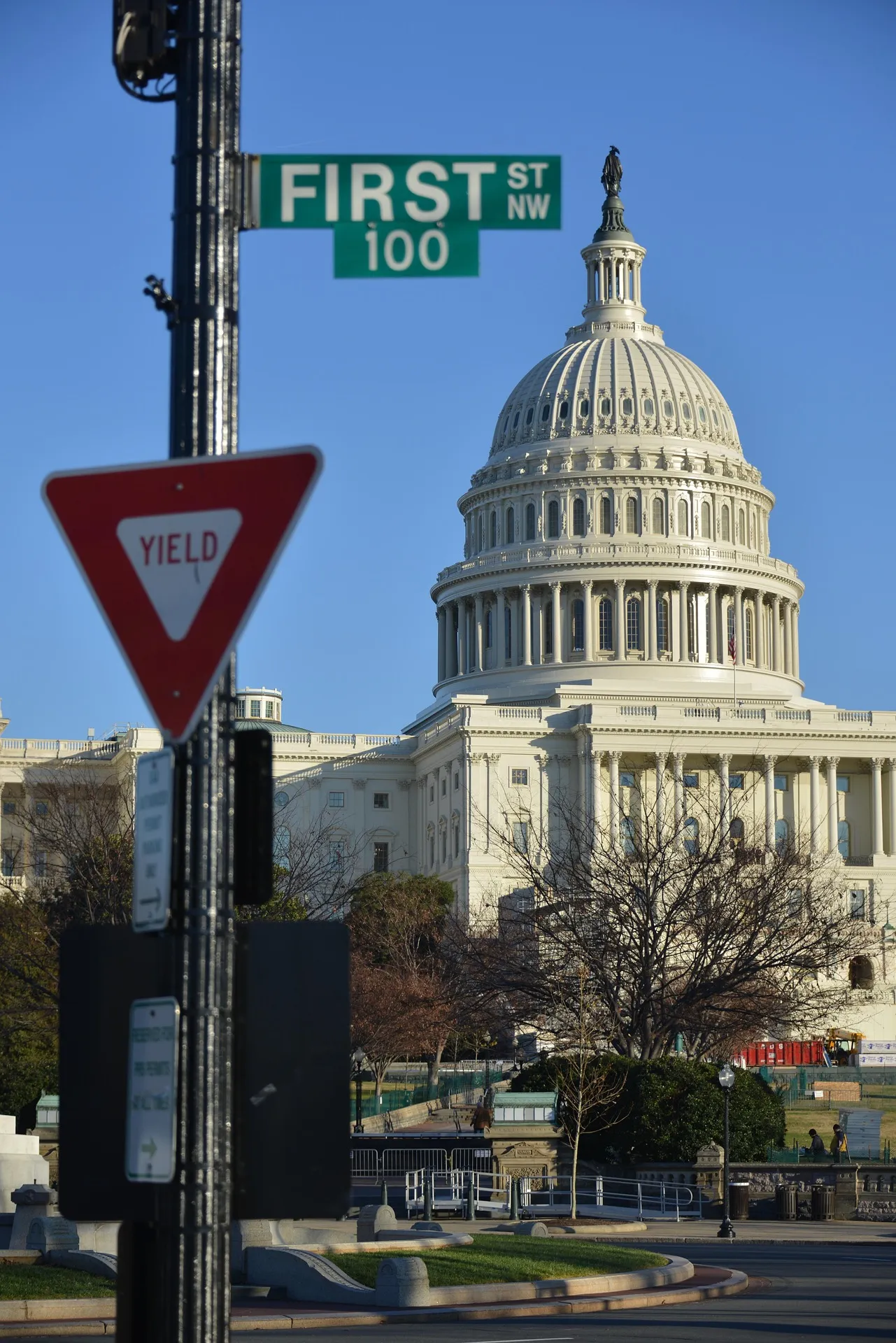
The political balance in Washington has changed following the Democrats' victories in the 2026 midterm elections, and a major energy infrastructure proposal is emerging as one of the first tests for the new congressional landscape.
Congress is considering legislation designed to speed up permits for data centres and other major energy infrastructure projects. The proposal could shorten approval timelines for both clean-energy and fossil-fuel developments at a time when electricity demand is rising.
The debate is particularly important because the expansion of artificial intelligence has increased demand for large data centres. These facilities require substantial amounts of electricity, creating pressure on energy infrastructure and raising questions about who should pay for new power supplies.
President Donald Trump has backed the permitting measure, describing it as a step toward strengthening American energy independence. Supporters argue that faster approvals could encourage investment, create jobs and help reduce electricity costs for households.
However, the proposal faces opposition from environmental groups concerned that faster approvals could weaken environmental safeguards and encourage additional fossil-fuel development.
Lawmakers have added amendments intended to address some concerns, including provisions related to tribal consultation and giving state governments a stronger role in the process.
The legislation is also politically significant because it arrives just after Democrats secured control of both chambers of Congress in the midterm elections. The incoming majority will have greater influence over the legislative agenda, although the current Congress still has work to complete before the new lawmakers take office in January.
The debate illustrates a difficult challenge for both parties: the United States needs more electricity and infrastructure to support economic growth, but communities and environmental groups want stronger protections and clearer accountability from major developers.
The outcome could influence how quickly new data centres, power plants and transmission projects are built across the country.
For the new Congress, the question is not simply whether America needs more energy infrastructure. It is how that infrastructure should be approved, financed and regulated.
- #- USA
- #artificial intelligence
- #Congress
- #Data Centres
- #Democrats
- #Donald Trump
- #Energy Policy
- #US Politics