Australia's AUKUS Submarine Deal Faces Fresh Political Pressure After Critical Public Inquiry
November 9, 2026
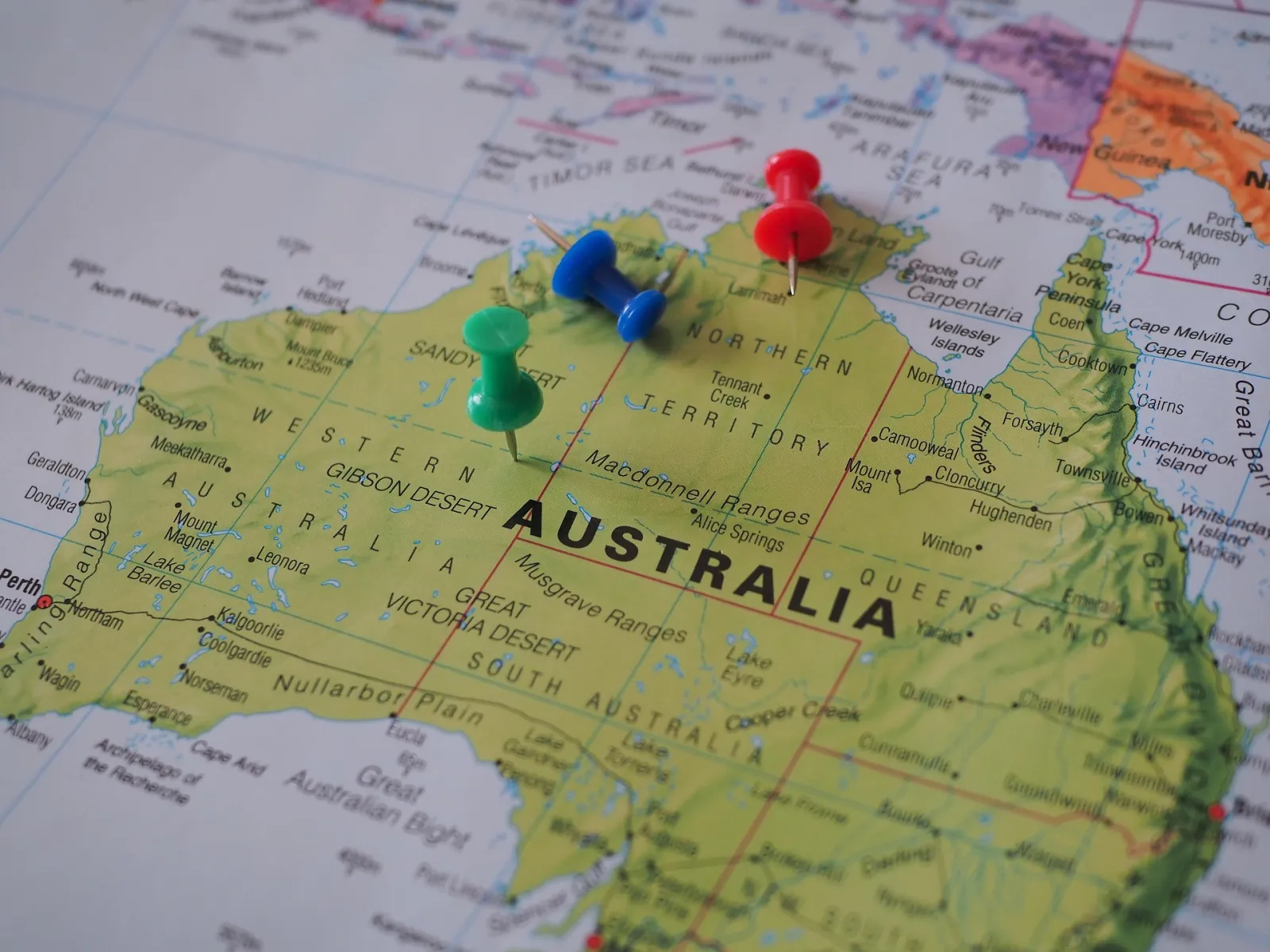
Australia's multibillion-dollar AUKUS submarine agreement is facing renewed political scrutiny after a public inquiry recommended suspending the programme and launching a royal commission into the deal.
The inquiry, led by former Labor politician Peter Garrett and former chief of defence Admiral Chris Barrie, has raised concerns about the agreement's cost, strategic risks and long-term consequences for Australia's independence.
AUKUS is a defence partnership between Australia, the United States and the United Kingdom. Its central submarine programme is intended to provide Australia with nuclear-powered submarines and strengthen military cooperation among the three countries.
The agreement is estimated to cost Australia hundreds of billions of dollars over its lifetime. Under the current plan, Australia is expected to begin receiving US Virginia-class submarines in the early 2030s, before moving towards a future submarine design developed with the United Kingdom.
The public inquiry argues that the programme carries significant financial and strategic risks. It has questioned whether Australia can rely on its partners to deliver the submarines on schedule and whether the agreement could increase the country's exposure to a future conflict involving China.
The inquiry also called for greater parliamentary oversight and independent reviews of the agreement.
However, the Albanese government has rejected the call to abandon AUKUS. Government representatives have described the partnership as a central part of Australia's national security strategy, arguing that the country faces a more challenging regional security environment.
The disagreement has created a significant political debate about how Australia should protect itself in an increasingly uncertain Indo-Pacific region.
Supporters of AUKUS believe the submarines will strengthen deterrence and deepen cooperation with key allies. Critics question the cost, delivery timetable and risk of becoming too dependent on the military priorities of other countries.
The issue is particularly important because defence spending competes with other public priorities, including housing, healthcare, education and infrastructure.
The government now faces pressure to explain how the agreement will deliver long-term security while maintaining public confidence in its cost and strategic value.
AUKUS is no longer just a defence procurement programme. It has become a major test of Australia's foreign policy, national sovereignty and relationship with its closest security partners.
- #Anthony Albanese
- #AUKUS
- #Australia
- #Australian Politics
- #China
- #Defence Policy
- #National Security
- #Submarines