Native American Heritage Month Highlights the Importance of Preserving Indigenous Culture
November 1, 2026
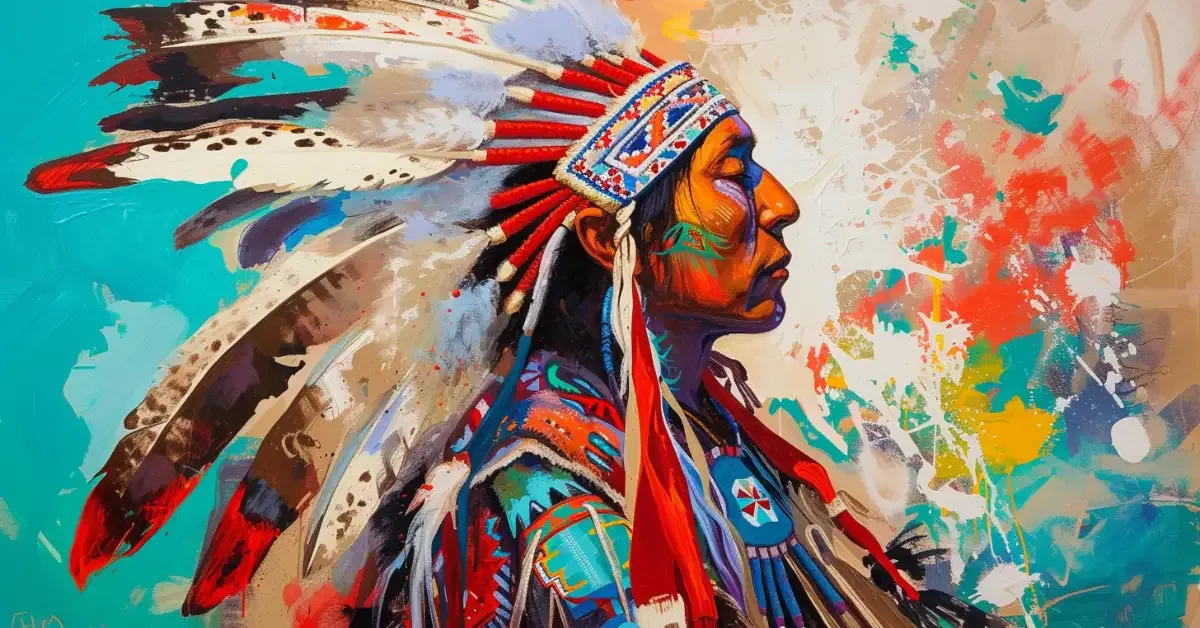
November marks Native American Heritage Month in the United States, bringing renewed attention to the traditions, history and contributions of Indigenous communities.
Across the country, artists, educators and community leaders are using the month to highlight cultural practices that have survived generations while finding new ways to connect younger people with their heritage.
One example is the Wai Gallery and IndigenousAF storefront in Las Vegas, founded by Indigenous artist Fawn Douglas and her partner, A.B. Wilkinson. The space showcases work by Indigenous artists and hosts free creative activities designed to bring people together.
Douglas combines traditional inspiration with contemporary materials, demonstrating how cultural expression can evolve without losing its connection to the past.
Keeping Traditions Alive Through Art
Indigenous art is not limited to traditional objects or historical displays. Artists are using painting, photography, fashion and tattooing to communicate personal experiences, community identity and cultural memory.
Traditional markings and artistic practices can carry meanings connected to family, ancestry and belonging. For younger generations, learning these traditions can provide a stronger connection to their communities.
Language and Education Play a Key Role
Cultural preservation also depends on passing languages and knowledge to children.
Some educational programs are introducing young students to Indigenous languages through everyday activities, traditional foods and seasonal practices. These experiences help make cultural learning part of daily life rather than something limited to textbooks.
A Living Part of Modern Society
Native American Heritage Month is an opportunity to recognize that Indigenous cultures are not simply part of history. They remain active, diverse and influential in contemporary society.
From artists creating new work to families continuing traditional harvesting practices, communities are finding ways to protect their heritage while adapting to changing times.
The wider message is that cultural preservation is not only about remembering the past. It is also about ensuring that traditions, languages and identities remain meaningful for future generations.