Britain's Underground History: The Hidden Railway Beneath London
Britain's Underground History: The Hidden Railway Stations and Tunnels Beneath London
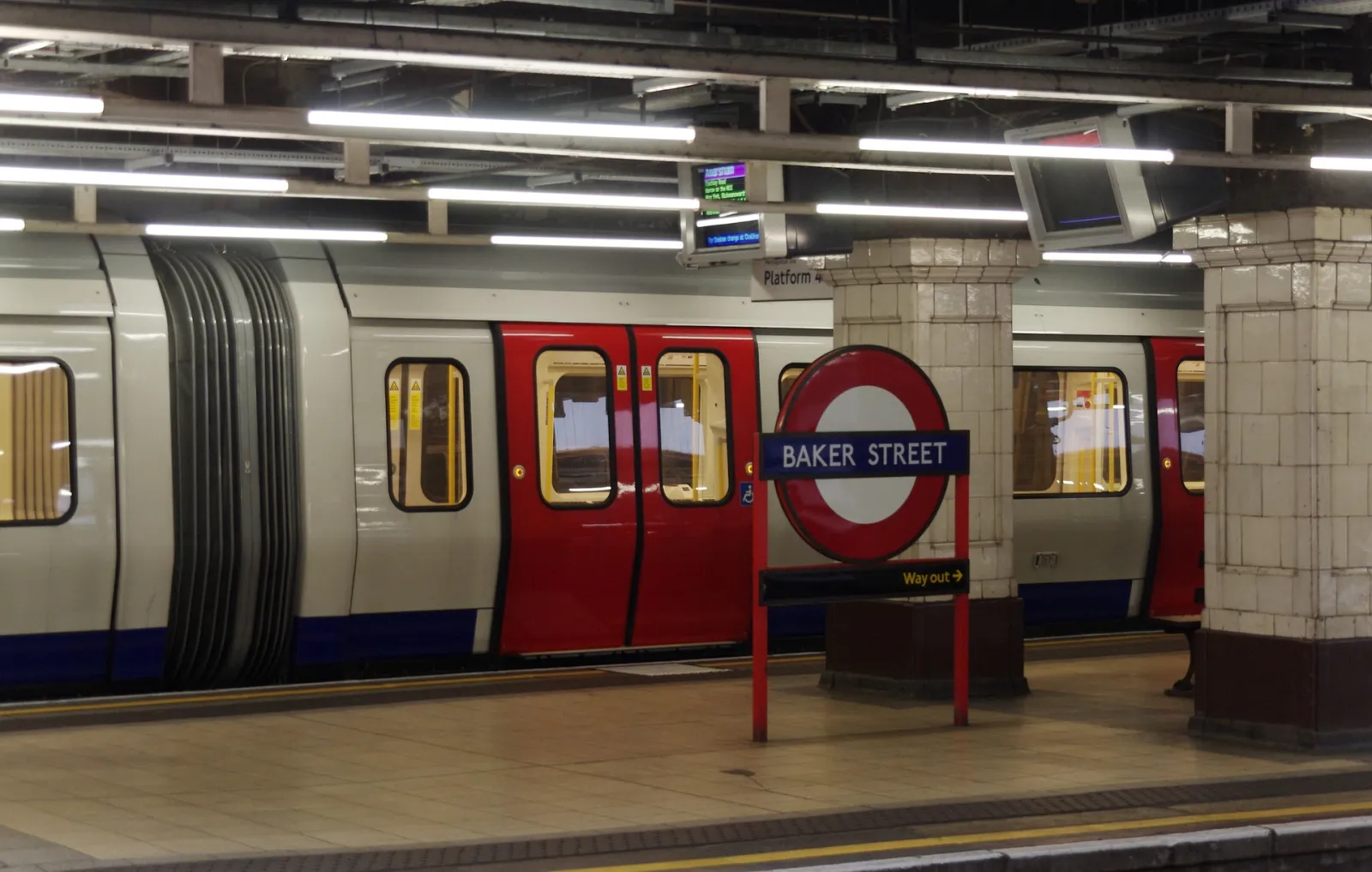
Beneath London's busy streets exists another world, shaped by more than a century of railway development, abandoned infrastructure and forgotten transport projects.
London's Underground is one of the oldest metropolitan railway systems in the world. Since its opening in 1863, it has expanded into an enormous network connecting neighbourhoods across the capital. However, not every station or tunnel has survived the changes.
One of the most fascinating examples is Aldwych station, which closed to regular passenger services in 1994. Although trains no longer stop there as part of normal operations, the station has remained an important piece of London's transport history. Its platforms and corridors have occasionally been used for filming and special events.
Another intriguing location is Down Street station. Opened in 1907 and closed in 1932, it later served an important wartime purpose. During the Second World War, it was adapted for use by Winston Churchill and members of the government before the Cabinet War Rooms became fully operational.
London also contains extensive disused railway infrastructure, including former platforms, connecting tunnels and sections that were redesigned as the network expanded.
These underground spaces reveal how much the city has changed. Stations that once served growing neighbourhoods eventually became unnecessary as passenger patterns shifted and new routes were introduced.
Today, London's transport history continues to attract historians, railway enthusiasts and urban explorers.
While most passengers travel through the Underground without thinking about its past, the network is effectively a museum beneath the city. Every abandoned platform and sealed corridor tells part of the story of how London became one of the world's most connected capitals.