America's Historic Ocean Liner Begins a Second Life
America's Historic Ocean Liner Begins a Second Life as the World's Largest Artificial Reef
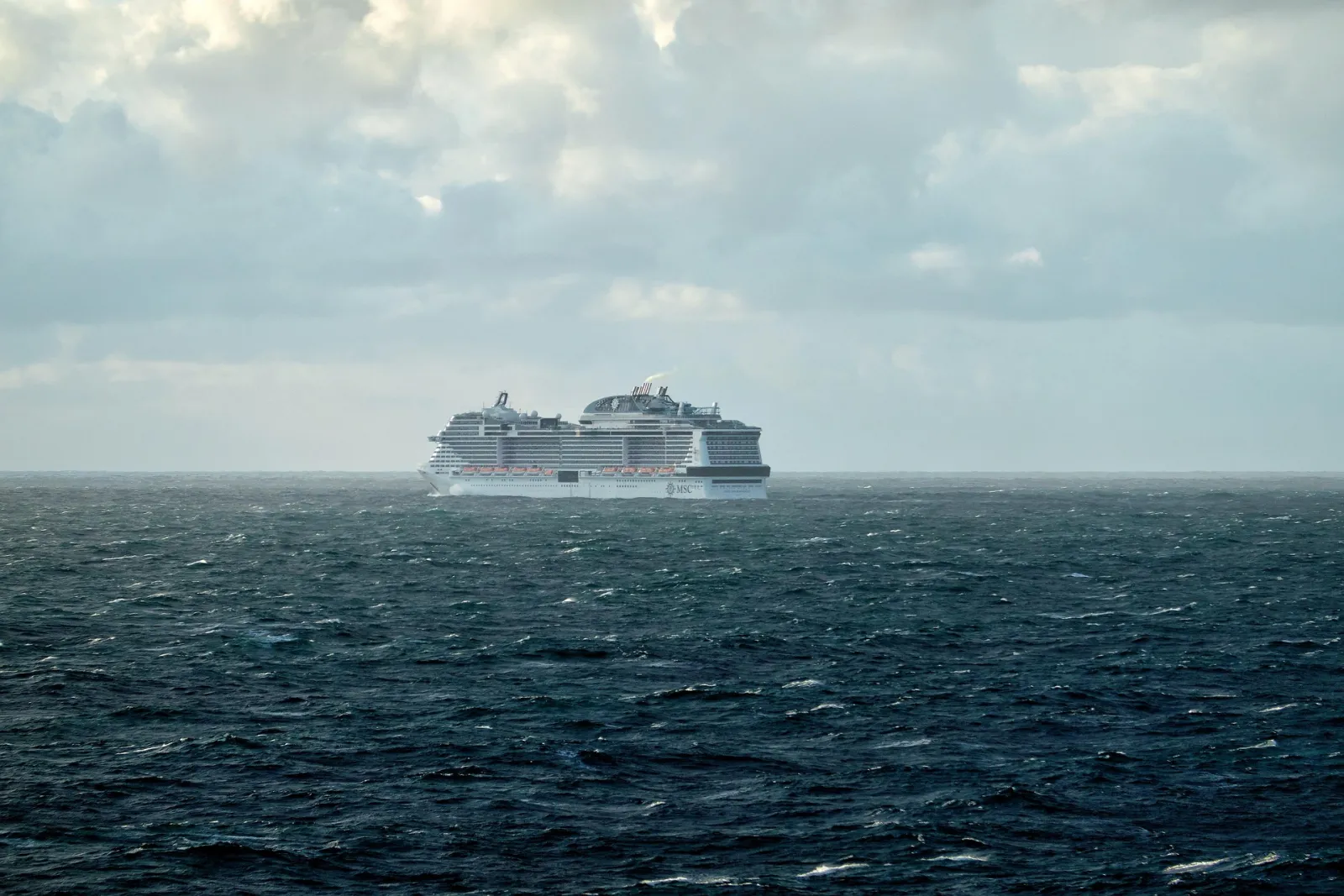
One of America's most famous ocean liners is beginning an extraordinary new chapter, not in international waters or a maritime museum, but on the ocean floor.
The SS United States, a historic passenger ship that once symbolised American engineering and maritime ambition, has been deliberately sunk off the coast of Florida to create what is intended to become the world's largest artificial reef.
The operation marks a remarkable transformation for a vessel that once carried passengers across the Atlantic and established a record-breaking transatlantic crossing in 1952.
Rather than allowing the ship to disappear from history, the project aims to turn it into a new underwater habitat for marine life.
Researchers from the Woods Hole Oceanographic Institution are studying the site, using the unusual opportunity to observe how marine ecosystems develop around a large artificial structure from the beginning.
Their research will examine how microorganisms, fish and other marine organisms gradually colonise the vessel. Scientists will also investigate how the surrounding water chemistry and biological communities change over time.
Artificial reefs can provide additional surfaces and shelter for marine organisms, potentially attracting fish and supporting underwater biodiversity. However, their ecological benefits depend heavily on appropriate preparation, location and long-term monitoring.
The SS United States offers scientists something particularly valuable: an opportunity to observe the development of an underwater ecosystem around a structure whose history and physical characteristics are already well documented.
The transformation also creates a new attraction for Florida's diving and fishing communities.
For a ship that once represented the speed and ambition of American ocean travel, its next journey will be considerably slower. Its new purpose will be to help scientists understand how life builds itself around structures beneath the waves.